How to Approve Grow Light Cable Length and Connectors
A buyer checklist for locking cable length, connector type, fixture model, dimming route, and evidence ownership before OEM grow-light shipment.
Cable length looks like a small purchasing detail until a grow-light shipment reaches the room and the installer discovers that the fixture row, controller cable, plug location, or service clearance was assumed instead of specified. For commercial greenhouse, rack, and OEM orders, cable length and connector evidence should be approved as model-specific rows before shipment.
1. Start with the exact product row
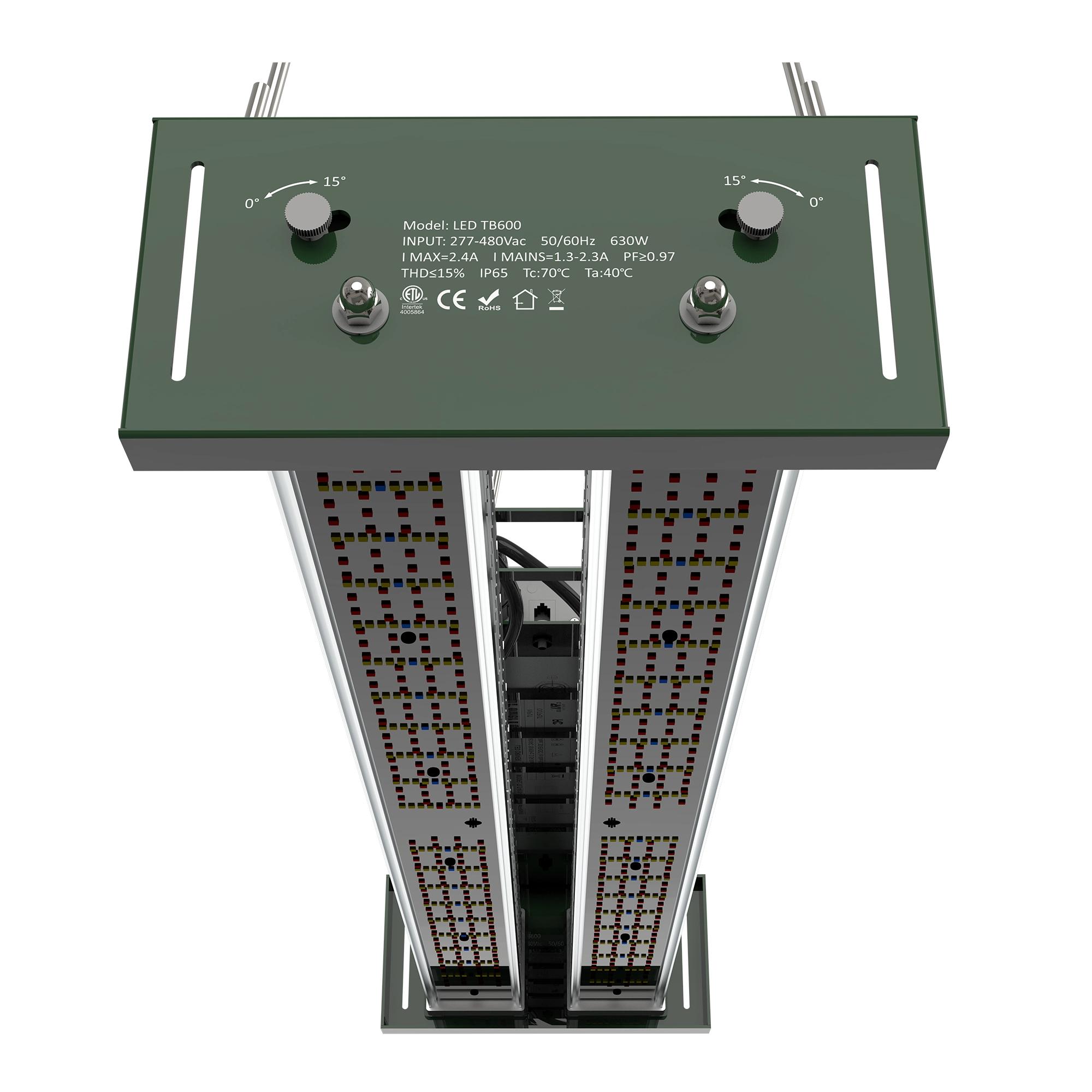
The current Number TB600 greenhouse toplight record lists 600 W power, 2100 umol/s PPF, 3.5 umol/J efficiency, and Cable Length as a customizable option. The current Number PGF18 T8 grow tube record lists 18 W power, 40 umol/s PPF, 2.2 umol/J efficiency, and Cable Length as a customizable option. Those fields show that cable length can belong in the quote discussion; they do not prove that every cable length, connector, plug, or market version is already approved.
2. Map the cable route before asking for a length
A useful cable-length request starts with a drawing, not a number. Record fixture spacing, mounting height, cable exit direction, power or control entry point, service loop allowance, tray or bench movement, cleaning path, controller location, and whether the cable crosses an aisle, gutter, trellis, rack upright, or cabinet. If the site drawing changes after sample approval, refresh the cable row before mass production.
3. Name the connector evidence separately
Do not let a cable-length row stand in for connector approval. The order sheet should name the connector or plug family, pin or conductor function where relevant, mating part, locking method, strain-relief expectation, sealing expectation, cable jacket requirement, and who owns the drawing. UL 8800 context is useful here because horticultural lighting often needs wiring and connection methods that support fixture repositioning and humid environments, but the actual approval still has to come from the model-specific evidence supplied for the order.
4. Separate power cable, dimming cable, and accessory cable
A mixed fixture program may have power supply leads, 0-10 V dimming leads, interconnection cables, sensor cables, and controller accessories in the same approval pack. Keep them in separate rows. Each row should state purpose, affected model, length, connector, routing assumption, environmental exposure, drawing version, sample version, and acceptance check. This prevents a dimming-cable change from being hidden inside a generic fixture customization note.
5. Treat code and listing questions as evidence gates
Electrical-code summaries for horticultural lighting emphasize listed equipment, manufacturer instructions, flexible-cord limits, fittings, connectors, support, and GFCI context. That does not turn a product catalogue field into a site approval. Before release, ask which documents cover the exact cable and connector configuration: current specification sheet, wiring diagram, installation instructions, label or marking file, and certificate or listing scope where the order depends on one.
6. Use an OEM approval sheet for controlled changes
For an OEM or private-label grow-light project, create one approval sheet before sample release. Include product ID, model name, base power and PPF, requested cable length, connector or plug, cable exit, dimming method, mounting method, packaging impact, drawing owner, sample owner, test or inspection required, and the final document that will travel with the shipment. Mark any unverified claim as open instead of letting it appear in artwork or sales copy.
Cable and connector approval checklist
Approve these rows before shipment: exact product ID; base specification source; cable purpose; length and tolerance if provided; connector or plug drawing; cable exit direction; site routing assumption; environmental exposure; dimming or control path; mounting interaction; sample photo; installation instruction version; label or marking impact; and owner for any open certificate, test, or compliance evidence.
What to send Number
Send the fixture list, room or rack drawing, target cable routes, desired connector or plug type, controller or dimming method, environment notes, and any private-label packaging requirement. Number can then confirm which current product rows support cable-length discussion and identify the smallest missing evidence asset before sample or shipment approval.
Source note: Product-specific statements were checked against current Sanity records for LED TB600 and LED PGF18 on 2026-09-01. External context was checked against UL 8800 horticultural lighting guidance, NEC Article 410 horticultural-lighting summaries, and DesignLights Consortium horticultural technical requirements. This article does not claim crop output, energy savings, listing status, installation approval, or field outcomes.