How to Approve Grow Light Packaging Test Evidence
A shipment-release checklist for matching grow light package tests, fixture identity, weight rows, photos, and acceptance evidence.
A grow light packaging test evidence file should answer a shipment-release question before cartons leave the factory: does the packaging evidence match the exact fixture, weight, configuration, carton, test method, and acceptance rule in the order? Treat it as a release checklist, not as a promise that every route, carrier, warehouse, or customer handling event has been simulated.
1. Name the packaging test method before reviewing photos
Do not approve packaging from a few attractive carton photos alone. Ask which procedure, route assumption, sample condition, and acceptance rule were used. ISTA's public test-procedure guidance separates procedures by distribution purpose and notes package hazards such as drop, vibration, compression, and atmospheric conditioning. ASTM D5276 is specifically a free-fall drop-test method for loaded containers and their inner packing. Those references are useful because they force a buyer to record the actual test basis instead of accepting a vague statement such as package tested.
2. Tie the package to the verified fixture row
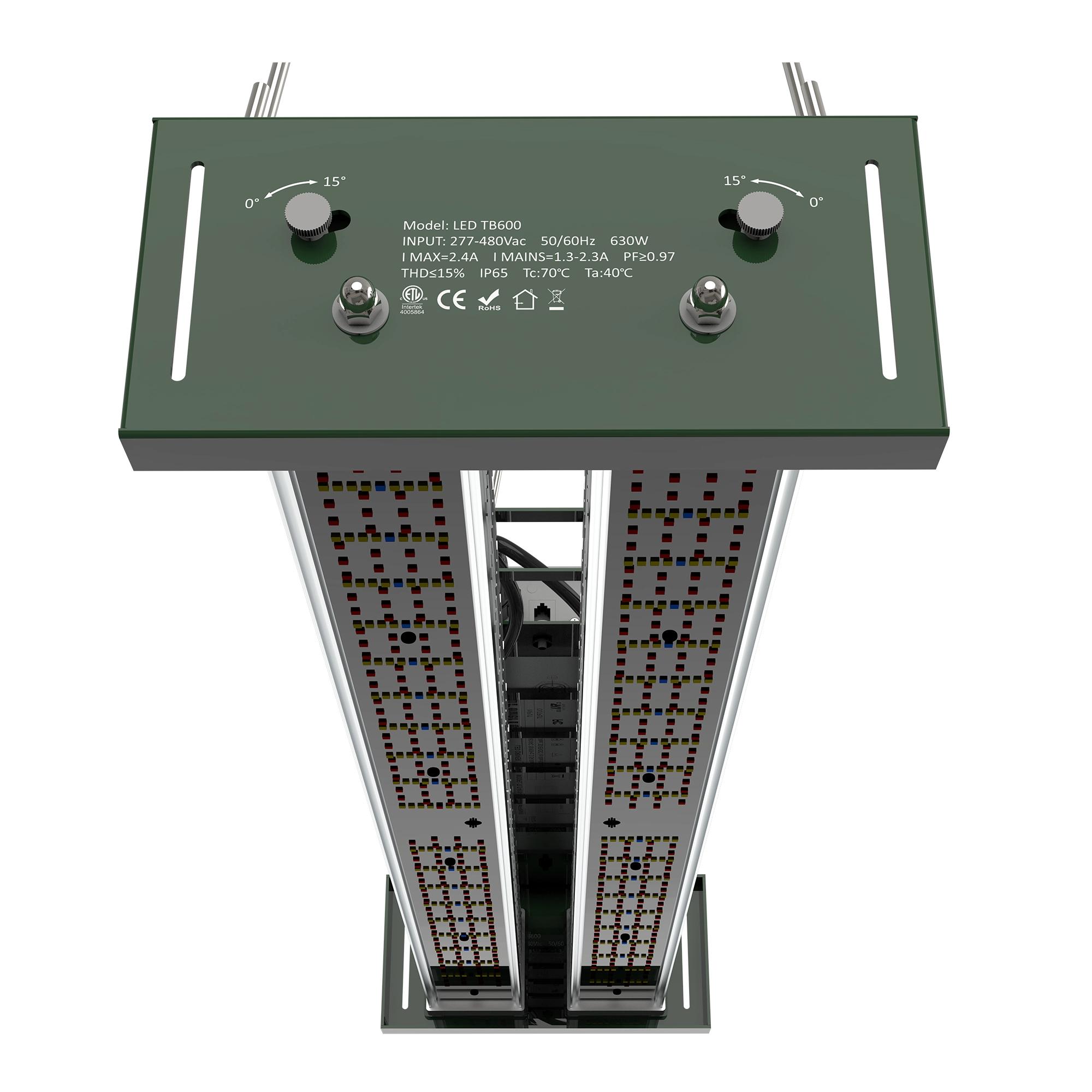
Current Sanity data lists the Number LED TB600 greenhouse toplight as a 600 W fixture with 2100 umol/s PPF, 3.5 umol/J efficacy, AC 200-480 V input, 150 degree beam angle, 0-10 V dimming, passive thermal management, 7.0 kg weight, and five-year standard warranty. Current Sanity data lists the Number LED JT720F as a 720 W fixture with 1950 umol/s PPF, 2.7 umol/J efficacy, AC 220-240 V input, knob and 0-10 V dimming, passive cooling, 6.6 kg weight, and one-year standard warranty. Use these rows to verify the model and fixture weight in the packaging file, but do not convert them into a shipping performance claim.
3. Build the evidence table buyers can audit
For each packaged-product sample, record the factory model name, buyer SKU, product revision, fixture weight, accessory set, carton version, inner protection version, gross weight, carton dimensions, test date, lab or internal station, test procedure, sample quantity, pre-test photos, post-test photos, pass/fail rule, observed damage, corrective action, and release owner. Keep the carton label and product label visible in the photo set so the evidence cannot be confused with a different model or pilot build.
4. Separate acceptance evidence from cosmetic approval
Packaging artwork approval checks the printed label, barcode, color, model text, and regulatory wording. Packaging test approval checks whether the packed product survived the agreed handling simulation and whether the product inside remains acceptable under the release rule. Keep those decisions separate. A carton can have correct artwork and still need a stronger insert, corner guard, sealing method, pallet plan, or retest after a fixture weight or accessory change.
5. Retest after packaging or product changes that affect risk
A buyer should flag retest triggers before mass shipment: fixture weight changes, bar count changes, driver position changes, new accessories, a different carton supplier, thinner board grade, new inner foam or molded pulp, a new pallet pattern, a carrier-route change, or a different warehouse handling requirement. The evidence file should show whether the previous packaging result still applies or whether a new sample must be tested.
6. Put packaging evidence into the OEM release packet
For a private-label or OEM order, include packaging test evidence in the same release packet as the approved product row, carton artwork, nameplate, user manual, inspection photos, and shipment documents. Number's OEM/ODM project discussion is the right next step when the buyer needs custom packaging, private-label carton rules, revised accessories, or a project-specific evidence owner before shipment release.
Claim limits for packaging evidence
Do not claim ISTA certification, ASTM compliance, carrier approval, lower damage rates, faster customs release, or customer acceptance unless the exact supporting record exists for the model, package, route, and date being discussed. The practical approval question is narrower and more useful: can a reviewer trace the packaging decision from current product data to a named test method, visible sample evidence, documented results, and a release owner?