How to Approve a Grow Light User Manual Before Shipment
A user-manual approval checklist for OEM grow-light buyers covering model identity, safety wording, installation limits, labels, and evidence owners.
A grow light user manual is part of the shipment evidence pack. It should not be treated as a generic booklet that can be reused across wattages, control methods, and private-label versions. Before shipment, the buyer should check that the manual, product label, carton mark, datasheet, and quotation describe the same fixture configuration.
1. Match the manual to the exact model row
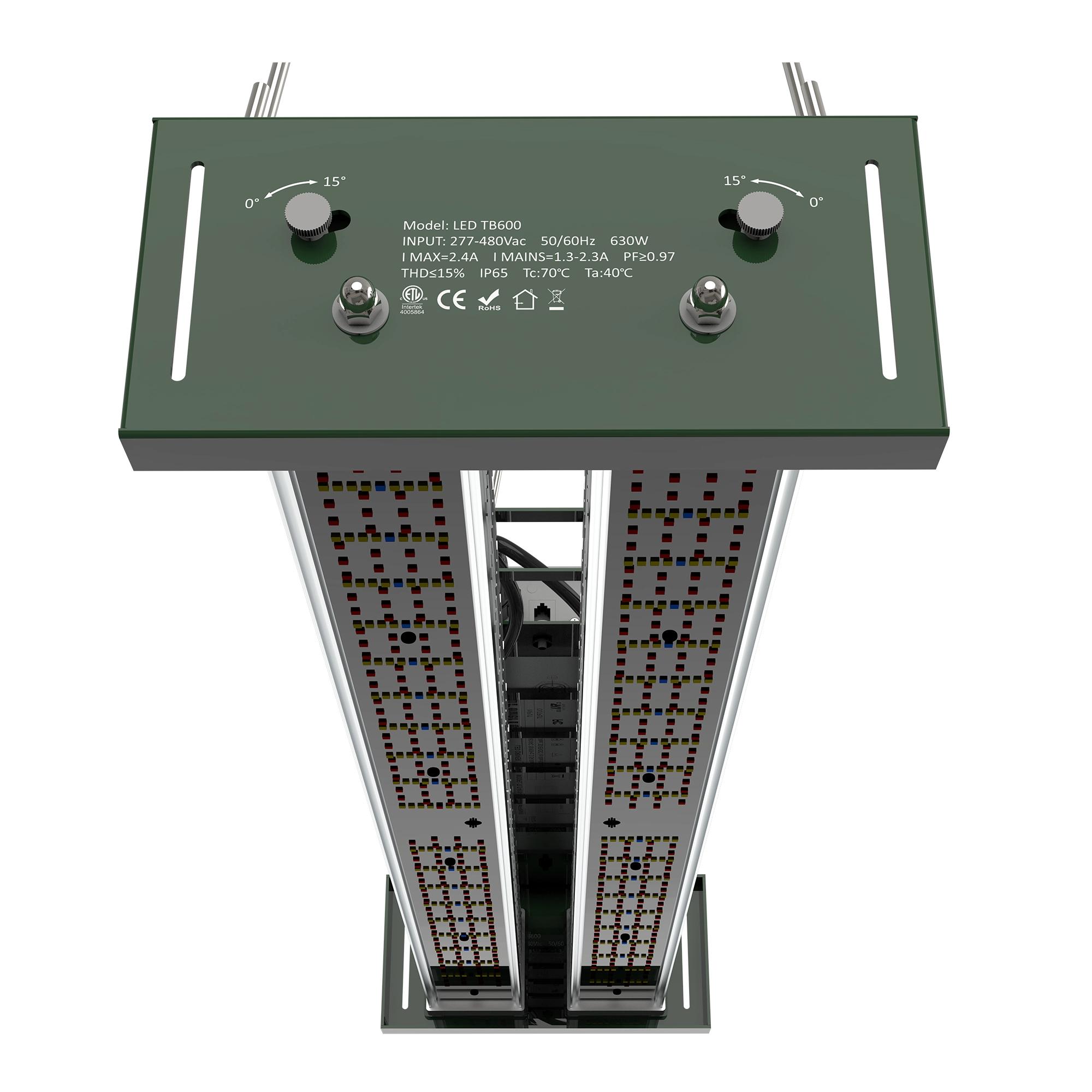
Put the Sanity product ID, approved model name, private-label model name if any, manual revision, and shipment PO into one approval row. Current Sanity data lists the LED TB600 greenhouse toplight as a 600 W fixture with 2100 umol/s PPF and 3.5 umol/J efficacy. It lists the LED JT720F indoor fixture as a 720 W fixture with 1950 umol/s PPF and 2.7 umol/J efficacy. A shared fixture-family manual should still show which rows apply to each model.
2. Reconcile ratings before translation or printing
The manual should repeat only verified rows. Current Sanity specifications list TB600 with AC 200-480 V input voltage, 600 W +/-5 percent power consumption, 0-10 V dimming, passive thermal management, -20 deg C to 35 deg C operating temperature, 7.0 kg weight, and five-year standard warranty. JT720F is listed with AC 220-240 V input voltage, knob and 0-10 V dimming, passive cooling, -20 deg C to 35 deg C operating temperature, 6.6 kg weight, and one-year standard warranty. If the manual states a wider voltage range, different warranty, or different dimming interface, require a revised approved source before shipment.
3. Separate installation instructions from sales claims
UL Solutions describes horticultural lighting as having safety considerations that include photobiological exposure, damp or wet environments, ingress protection, UV exposure of materials, and wiring or connection methods. For a buyer review, that means the manual should name the intended environment, mounting assumptions, dimming interface, cleaning limits if supplied, warning language owner, and any installation evidence that applies to the exact shipment. Do not convert a manual section into a promise of yield, energy savings, or site approval.
4. Check label and compliance wording against evidence
Sanity currently lists DLC, CE, and RoHS for TB600, and FCC, CE, and RoHS for JT720F. Use those as internal evidence prompts only. The European Commission states that the manufacturer carries responsibility for conformity assessment, technical file, EU declaration of conformity, and CE marking; it also notes that CE marking is not an approval by the EU or another authority. Your Europe lists product label and user instructions as part of technical documentation. For U.S. FCC-controlled products, 47 CFR Part 2 includes identification-label rules and cases where user-manual information is relevant. Before printing, assign an owner for every mark, warning, declaration, listing, or regulatory statement in the manual.
5. Add a separate row for OEM changes
A private-label or customized shipment may need manual changes for logo, model name, language, spectrum, power setting, cable length, mounting hardware, dimming method, accessories, or support contact. In an OEM/ODM grow light project discussion, keep each requested manual change tied to the source document that proves it. If the manual needs a new warning, market statement, certificate reference, or installation limit, hold that row open until the evidence owner signs it off.
6. Use a shipment-release table
Before shipment, create one table with manual field, approved wording, evidence source, revision, and owner. Include model identity, rating rows, installation environment, mounting method, dimming instructions, cleaning or service cautions, label references, warranty wording, accessory list, language version, and open exceptions. If a row is not supported by a current product record, approved drawing, test report, declaration, certificate file, or buyer sign-off, keep it out of the final manual.
Source note: Product-specific statements were checked against current Sanity records for LED TB600 and LED JT720F on 2026-09-15. Compliance-process context was checked against European Commission CE marking guidance, Your Europe technical-documentation guidance, 47 CFR Part 2 Subpart J, and UL Solutions horticultural-lighting guidance. This article does not claim independent certification scope, test results, crop-output gains, utility-cost reductions, import approval, or customer outcomes.