How to Approve IP65 Grow Lights for Cleaning and Washdown
A buyer checklist for approving IP65 grow lights against cleaning method, connector exposure, mounting position, and evidence records.
An IP65 row can help a buyer screen grow lights for wet or dusty cultivation spaces, but it should not be treated as a complete cleaning approval. Before shipment or installation, the buyer still needs to connect the exact model record, cleaning method, connector exposure, mounting position, and evidence owner.
1. Define the cleaning exposure before quoting
Start with the real maintenance routine: dry wipe, misting exposure, low-pressure rinse, hand sprayer, hose-down near the fixture, disinfectant residue, or accidental splash during bench cleaning. Record whether the fixture, plug, dimming port, cable joint, driver area, bracket, and end cap are exposed. This prevents the phrase waterproof from replacing a usable approval record.
2. Start with verified Number model rows
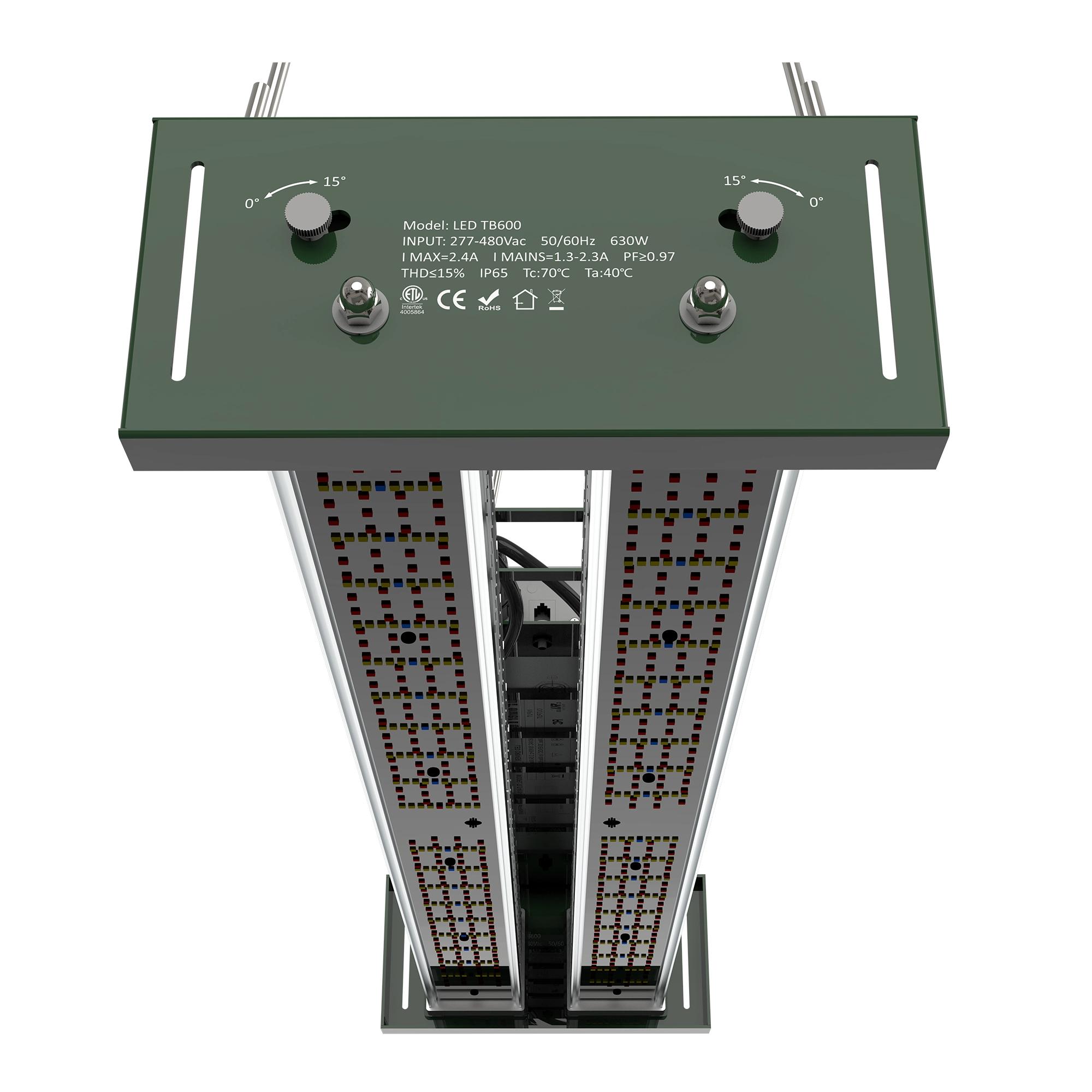
For greenhouse toplight projects, the current Number LED TB600 record lists 600 W +/-5% power consumption, 2100 umol/s PPF, 3.5 umol/J PPE or efficacy, 150 degree beam angle, AC 200-480 V input, passive thermal management, 0-10V dimming, -20 deg C to 35 deg C operating temperature, 7.0 kg weight, and product-copy references to IP65 waterproofing plus a glass cover described as washable. For rack or nursery projects, the current Number LED PGF18 T8 grow tube record lists 18 W +/-5% power consumption, 40 umol/s PPF, 2.2 umol/J efficacy, aluminum-housing passive cooling, 0-10V dimming, -20 deg C to 35 deg C operating temperature, 0.35 kg weight, and an IP65 water-resistant feature. Use these rows as evidence inputs, not as a substitute for the cleaning procedure.
3. Separate IP rating from cleaning permission
The IEC describes ingress protection ratings as a way to grade enclosure resistance against dust or liquids. UL's horticultural lighting guidance also treats damp or wet environments, ingress protection against dust, moisture and water, UV exposure of materials, and wiring or connection methods as separate considerations. For a buyer checklist, that means the approval should ask which part of the installed assembly is rated, which document proves it, and whether the planned cleaning method goes beyond the model record.
4. Review cable and connector exposure
A fixture body, cable, plug, dimming connector, and junction point may not share the same exposure evidence. Mark where water can collect, where cleaning liquid may run along the cable, and whether the connector is under the canopy, above the bench, or inside a protected service area. If cable length, connector type, or mounting changes for an OEM order, the approval row should identify the updated drawing or sample record.
5. Put limits beside the approved cleaning method
The approval table should name the allowed method, pressure or spray source if documented, distance if documented, water temperature if documented, cleaning agent if documented, fixture power state, dry-out step, inspection step, and the owner for any missing evidence. If a row is blank, keep it blank and hold the decision; do not convert an IP65 description into permission for immersion, high-pressure washdown, steam cleaning, solvent exposure, or energized cleaning.
6. Use a cleaning approval table
Create one row per model and zone: model name, product ID, IP or water-resistance evidence source, power, input voltage, operating-temperature range, fixture body material or cover note, connector location, cable routing, mounting orientation, cleaning method, cleaning agent, inspection point after cleaning, required submittal, and approval owner. This gives procurement, cultivation, maintenance, and the supplier one controlled record before the order moves forward.
Next action
Before sample approval or shipment release, send the cleaning approval table with the layout drawing, cable route, connector position, and maintenance method. For private-label or custom rows, Number can review the OEM/ODM project scope against the exact exposure record instead of relying on a generic waterproof claim.