How to Approve an OEM LED Grow Light Sample
A B2B checklist for approving an OEM LED grow light sample using verified Number product specs, customization fields, documentation, controls, and acceptance criteria.
Approving an OEM LED grow light sample should be a controlled specification decision, not a quick visual sign-off. Before mass production, the buyer should confirm that the sample matches the agreed electrical, optical, mechanical, control, label, and documentation requirements, and should separate verified fixture specifications from crop-performance assumptions.
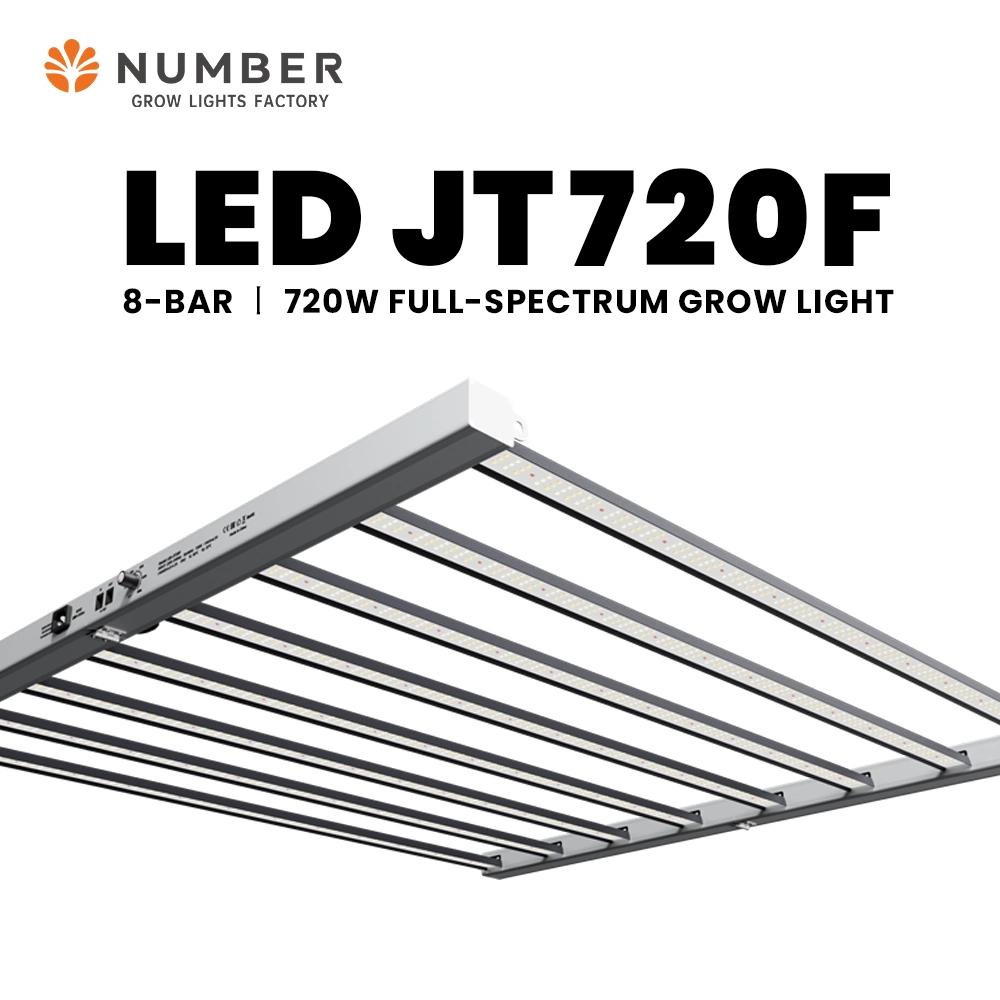
For Number projects, the practical starting point is to compare the sample against a current product record or approved custom brief. For example, the LED TB600 greenhouse toplight is listed in Sanity as 600W, 2100 μmol/s PPF, 3.5 μmol/J efficiency, with DLC, CE, and RoHS listed certifications and customizable spectrum, power, size, logo, color, cable length, dimming, and mounting options. The LED JT720F is listed as 720W, 1950 µmol/s PPF, and 2.7 μmol/J efficiency, with FCC, CE, and RoHS listed certifications and customizable spectrum, logo, and color options. Those fields are specifications to verify, not yield guarantees.
Answer first
A commercial buyer should approve an OEM LED grow light sample only after the supplier provides a locked sample specification, confirms the measured or declared light-output fields that will appear on the quotation and label, documents every customization change, and agrees on production acceptance criteria. If the sample changes spectrum, power, driver, cable, connector, mounting, branding, housing color, or control interface, the change should be recorded before the purchase order moves to mass production.
1. Freeze the sample specification before testing
Start with a one-page sample approval sheet. It should identify the model base, target application, product name to be used on commercial documents, nominal power, PPF, PPE or efficiency, input voltage range, dimming interface, mounting method, cable and plug configuration, housing color, logo artwork, label artwork, packaging, and required documentation.
Do not let a sample approval depend on phrases such as equivalent output, improved yield, or energy saving unless those claims are supported by a named test report, test condition, and scope. A fixture specification can support a lighting plan; it does not prove a crop result by itself.
2. Verify the optical and electrical fields
The key optical fields are PPF, PPFD distribution at the intended mounting height, spectrum, and efficacy. Virginia Tech Extension describes DLI as the total photosynthetic light received over a 24-hour period, so fixture approval should connect the sample to the buyer’s lighting plan, photoperiod, and crop-stage target instead of judging the fixture only by wattage.
For any sample derived from a listed Number fixture, check that the quotation, test sheet, product label, and sales page use the same power, PPF, and efficiency values. If the OEM change affects LEDs, driver current, optical cover, beam angle, or housing temperature, request an updated test file rather than carrying over the base model’s figures.
3. Treat customization as engineering scope
Customization fields should be accepted one by one. Spectrum changes need a spectrum graph or recipe reference. Power changes need driver and thermal confirmation. Cable length or connector changes need a drawing and bill-of-material note. Mounting changes need dimensions, load points, and installation clearances. Logo, color, and packaging changes need artwork files, color references, and approval photos.
This matters because two samples can look similar while differing in driver, dimming behavior, cable exit, bracket position, or labeling. The approval package should make those differences visible before production materials are ordered.
4. Confirm controls and installation behavior
For dimmable fixtures, check the control interface on the sample, the dimming range expected by the buyer, the controller compatibility note, and whether the sample needs independent zones. DLC horticultural technical requirements are useful context because they emphasize product-level controllability and reported intended use for qualified horticultural products.
In the sample review, run a basic control check: power on, dim up and down, confirm any channel behavior, verify that the fixture returns to the expected state after interruption, and note cable routing in the actual rack, room, or greenhouse bay. Keep the result as an acceptance note, not as a broad claim about every installation.
5. Require a production-ready evidence pack
Before approval, ask for these minimum assets: signed sample approval sheet, product specification sheet, product and carton label proof, installation dimensions, packaging photo or drawing, applicable certification or declaration copies, quality-control checkpoints, and a retained golden-sample photo set. For private-label work, include logo placement, color, model naming, barcode or SKU conventions, and carton marks.
A buyer preparing a custom fixture can start the same review through Number’s customization inquiry page and attach the target PPFD/DLI plan, facility voltage, mounting constraints, controller requirements, and branding files. The clearer the evidence pack is at sample approval, the fewer assumptions remain during production.
Approval checklist
- Model base, custom scope, and final product name are locked in writing.
- Power, PPF, efficiency, spectrum, and dimming fields match the current approved sample document.
- Certifications or declarations are listed only where the supplier provides valid documents for the exact model or approved model family.
- Cable, connector, mounting, housing color, logo, label, and packaging changes are shown in drawings or approval photos.
- Control behavior is checked against the buyer’s intended controller and zone plan.
- A golden sample is retained, photographed, and referenced in the production order.
- Mass-production inspection criteria define what passes, what fails, and who approves exceptions.
Evidence note
Product-specific statements in this article were checked against current Sanity product records for LED TB600-Led Greenhouse Toplight 600W and LED JT720F on 2026-08-02. General DLI context was checked against Virginia Tech Extension SPES-720, and controllability/reporting context was checked against the DesignLights Consortium horticultural lighting technical requirements page. The article intentionally does not claim crop yield, energy savings, certifications beyond the product records, customer results, or competitor comparisons.