How to Build a Grow Light Incoming Inspection Checklist
A receiving-stage checklist for checking model identity, sampled defects, electrical rows, dimming details, and evidence records after grow lights arrive.
Incoming inspection is the point where a grow-light order stops being a set of approved documents and becomes physical inventory. A useful checklist should not try to re-engineer the fixture at the warehouse door. It should confirm that the received lot matches the approved model row, that visible defects are sampled consistently, and that any hold decision points back to named evidence.
1. Separate document review from receiving inspection
The purchase order should already define model, version, electrical input, dimming method, packaging, label, spare parts, and any OEM changes. Incoming inspection checks whether the delivered lot conforms to those approved rows. Do not use receiving inspection to approve new cable lengths, change a driver, accept a different controller interface, or waive a missing document without a formal deviation record.
2. Start with the exact model identity
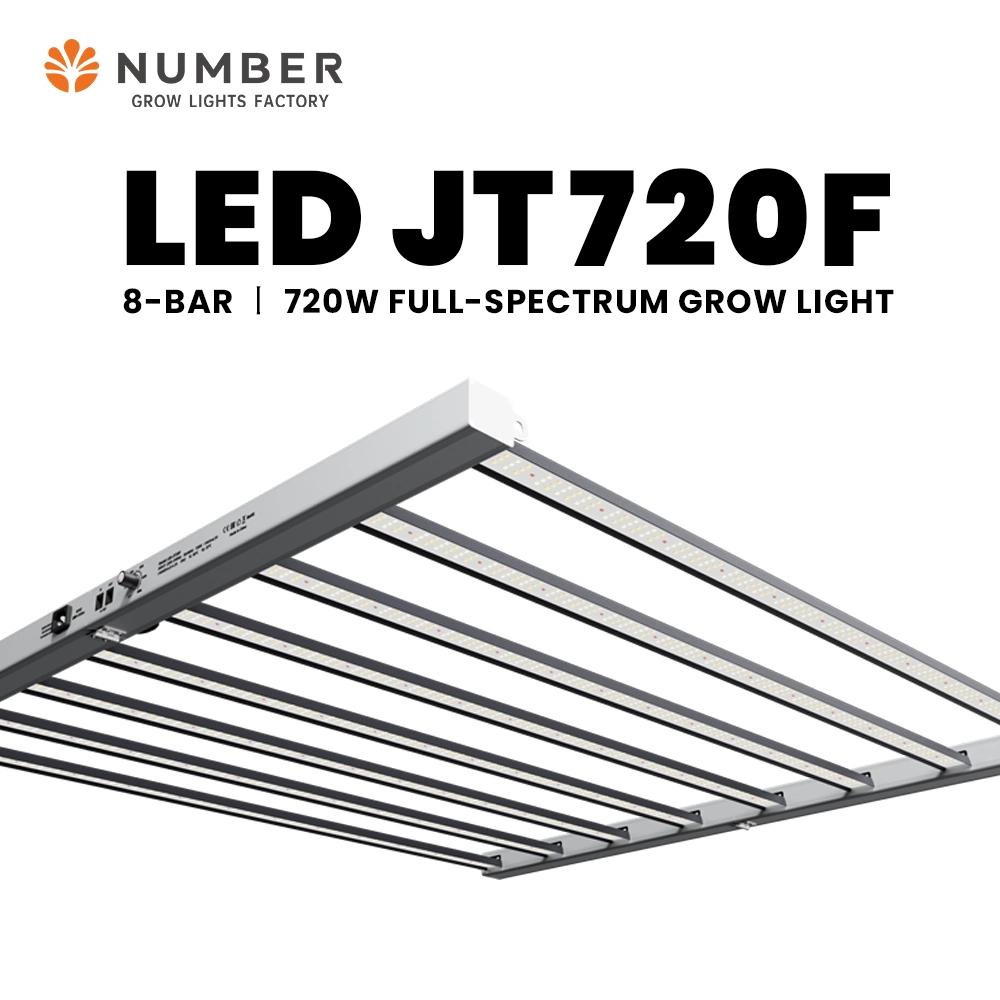
For a high-power indoor fixture, the current Number LED JT720F product record lists 720 W power, 1950 umol/s PPF, 2.7 umol/J efficiency, AC 220-240 V input voltage, Knob & 0-10V dimming, 6.6 kg weight, and a one-year standard warranty. For a rack or nursery tube, the current Number PGF18 T8 grow tube product record lists 18 W power, 40 umol/s PPF, 2.2 umol/J efficacy, -20 C to 35 C operating temperature, 0-10V dimming, 0.35 kg weight, and a five-year standard warranty. Put the exact approved row beside the received label, carton mark, packing list, and any serial-number or batch record.
3. Define the sampling rule before opening cartons
NIST describes acceptance sampling as a lot-level decision method between no inspection and 100 percent inspection, and notes that the decision is about accepting or rejecting the lot, not estimating the lot's true quality. ISO 2859-1:2026 provides AQL-indexed sampling schemes for inspection by attributes. For a grow-light receiving plan, define the lot boundary, sample size method, defect classes, acceptance rule, and escalation owner before the first carton is opened.
4. Keep attribute checks observable
Receiving teams can usually check observable attributes faster and more consistently than they can repeat lab measurements. Use pass/fail rows for wrong model, wrong input-voltage label, missing accessory, damaged plug or connector, loose fastener, bent housing, cracked lens or glass, unreadable rating label, mismatched carton mark, missing manual, and visible water-ingress risk. Reserve photometric, electrical-load, thermal, or safety-listing disputes for controlled retest or document review.
5. Check dimming and connector evidence as configuration fields
DLC horticultural lighting requirements treat dimming capability, dimming range, control method, connector, and transmission hardware as reportable details for applicable products. That makes them useful receiving fields even when the buyer is not making a DLC claim. A checklist row should state the expected dimming route, connector type, cable or port location, controller compatibility assumption, and the approved document that supports the configuration.
6. Decide what happens when a sample fails
A failed sample should trigger a defined path: hold the lot, inspect an expanded sample, request supplier evidence, open a corrective-action record, approve a written deviation, or reject the lot. Do not mix accepted, held, and rejected units in the same warehouse location. Photograph the defect, record carton and batch identifiers, and connect the finding to the exact PO row so the supplier can reproduce the issue.
7. Add OEM rows when the shipment is private label
For private-label or customized shipments, add rows for logo placement, label artwork version, carton artwork, manual language, cable length, mounting accessory, spare-part kit, and approved sample photo. If those rows are still open, move the decision back to the OEM/ODM project discussion before warehouse release. Receiving inspection should close evidence gaps, not hide them.
Incoming inspection worksheet
Use one row per model and lot: approved model name; supplier batch or serial range; carton count; sampling plan reference; critical, major, and minor defect definitions; label and carton check; accessory check; power and input-voltage row; PPF/PPE document row; dimming and connector row; visual condition row; missing-document row; photo link; disposition; release owner; supplier follow-up owner; and retest or deviation record.
Next action: send Number the approved product row, packing list, inspection standard, and defect definitions before shipment so the receiving checklist can match the actual order instead of a generic template. Start that review through the OEM/ODM project page.