How to Build a Grow Light RFQ Evidence Packet
A procurement checklist for sending grow-light RFQs with verified model rows, evidence owners, customization limits, and quote-response requirements.
A grow light RFQ should give suppliers enough evidence to quote the same product the buyer intends to approve. If the RFQ only says 600 W greenhouse light, T8 tube, full spectrum, or private label, the replies can mix different model rows, missing documents, and unsupported claims. A useful RFQ evidence packet locks the baseline model, project use, required evidence, and quote-response format before price becomes the main conversation.
1. Start with the buying decision, not the wattage
The first page should state the application, crop area or rack type, intended environment, control method, target evidence date, and what the buyer will do with the quote. A greenhouse retrofit, nursery rack, indoor-room pilot, distributor catalog item, and OEM private-label sample need different evidence even when they use similar fixture shapes. ISO procurement guidance is a useful reminder here: purchase requirements should be correct before they are sent to an external provider, and critical requirements should be approved before the order is confirmed.
2. Anchor the RFQ to verified Number rows
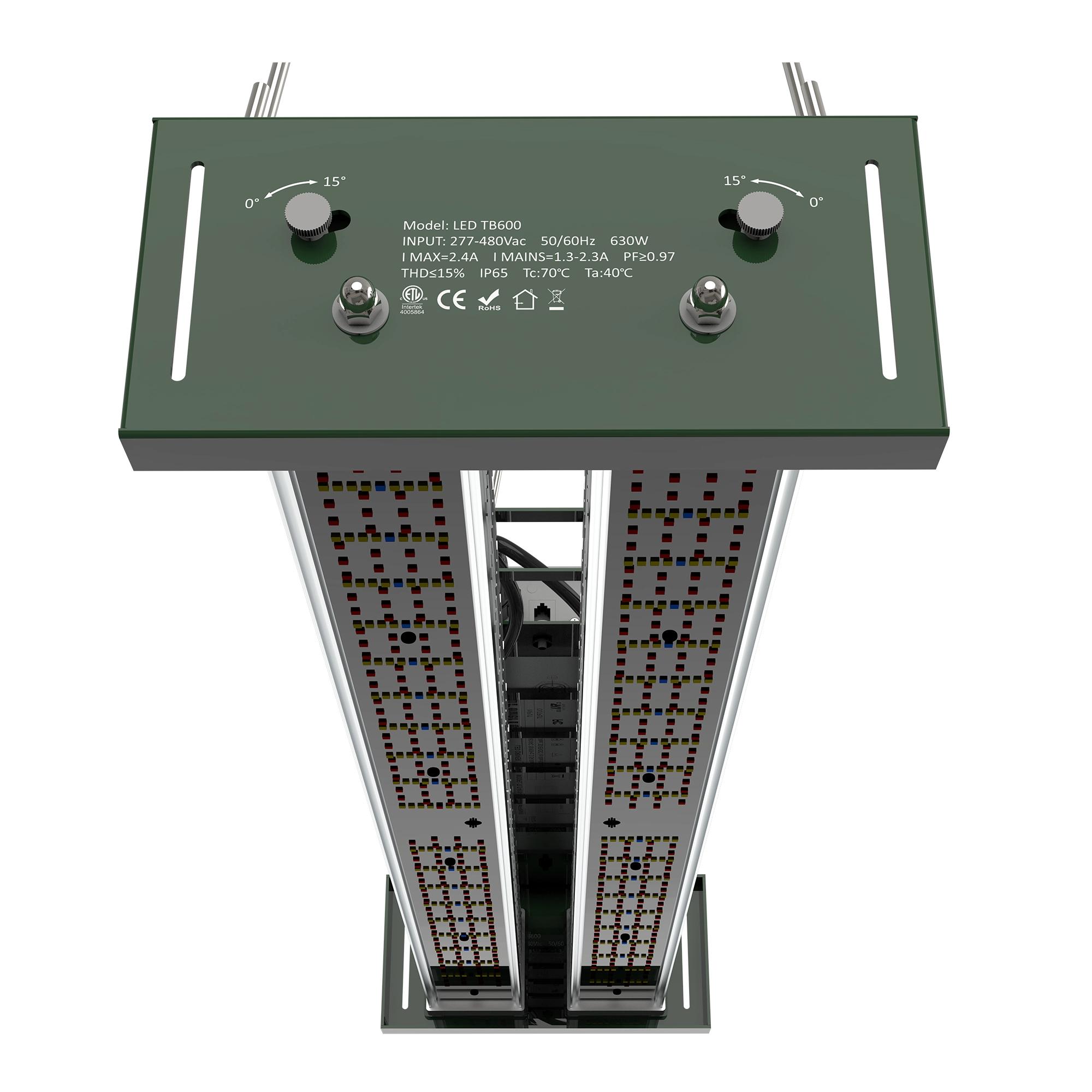
Current Sanity data lists the Number LED TB600 greenhouse toplight as a 600 W fixture with 2100 umol/s PPF, 3.5 umol/J efficacy, AC 200-480 V input, 150 degree beam angle, 0-10 V dimming, at least 0.97 power factor, passive thermal management, -20 deg C to 35 deg C operating range, 7.0 kg weight, and five-year standard warranty. Current Sanity data lists the Number LED PGF18 T8 grow tube as an 18 W tube with 40 umol/s PPF, 2.2 umol/J efficacy, -20 deg C to 35 deg C operating range, aluminum-housing passive cooling, 0-10 V dimming, 0.35 kg weight, and five-year standard warranty. Put the product ID beside every quoted row so suppliers cannot answer with a similar family name.
3. Separate fixed requirements from requested options
TB600 lists spectrum, power, size, logo, color, cable length, dimming, and mounting as customizable fields. PGF18 lists spectrum, power, logo, cable length, and dimming. Those lists are RFQ inputs, not automatic approvals. In an OEM or ODM grow light project, mark each option as required, preferred, or open. Ask the supplier to confirm which document will prove the final value: datasheet, drawing, label artwork, wiring note, sample photo, inspection record, or test report.
4. Ask for evidence by claim type
The DesignLights Consortium horticultural requirements are helpful because they treat fixture performance, model identity, safety certification, testing, controls, and private-label scope as documented requirements rather than loose sales language. Use that discipline in the RFQ. Ask for model-specific evidence for PPF, PPE, spectrum, input voltage, dimming method, environmental rating, safety or certification statements, private-label identity, packaging, and accessory rows. If a supplier cannot attach evidence for a claim, keep it out of the comparison table.
5. Force the quote response into comparable rows
A clean response table should include product ID, supplier model, quoted SKU, power, PPF, PPE, input voltage, dimming interface, operating temperature, weight, warranty term, customization changes, included accessories, packaging assumption, evidence file name, unavailable fields, and owner for each open item. This does not replace engineering review, electrical design, certification review, or customs advice. It simply prevents a quote from looking complete when important evidence is still blank.
6. Block unsupported commercial claims before they spread
Do not let the RFQ response turn a product field into a promise about crop yield, energy savings, utility rebates, customer results, certificate-directory status, lead time, MOQ, price validity, or market approval. Those items need separate evidence and commercial confirmation. If the quote needs one of them, add a hold row with the requested source and decision owner instead of copying the claim into a purchase file.
Next action: send Number the application, target model rows, customization options, required evidence files, and quote-response template before asking for final price. The RFQ will be stronger if every claim already has an owner.