How to Build a Grow Light Serial Number Traceability Sheet
A practical traceability sheet for matching grow-light serial numbers, batch rows, labels, cartons, product records, and release evidence.
A grow light serial number traceability sheet should let a buyer connect each shipped fixture, carton, and document back to the exact product row that was approved. The sheet is not proof of performance by itself. It is the index that shows which unit or batch was supplied, which label and carton it carried, which purchase order it belongs to, and which evidence file controls the release decision.
1. Define the traceability unit before production
Start by deciding whether the order needs unit-level serial numbers, batch-level lot IDs, carton IDs, pallet IDs, or a combination. Unit-level control is useful when each fixture must be matched to a room, bench, warranty record, or field-service event. Batch-level control may be enough when the buyer only needs to identify the production run, carton group, or inspection sample. Record the decision before labels and cartons are printed so the factory, inspector, warehouse, and buyer use the same identifier.
2. Anchor each serial row to current Number product data
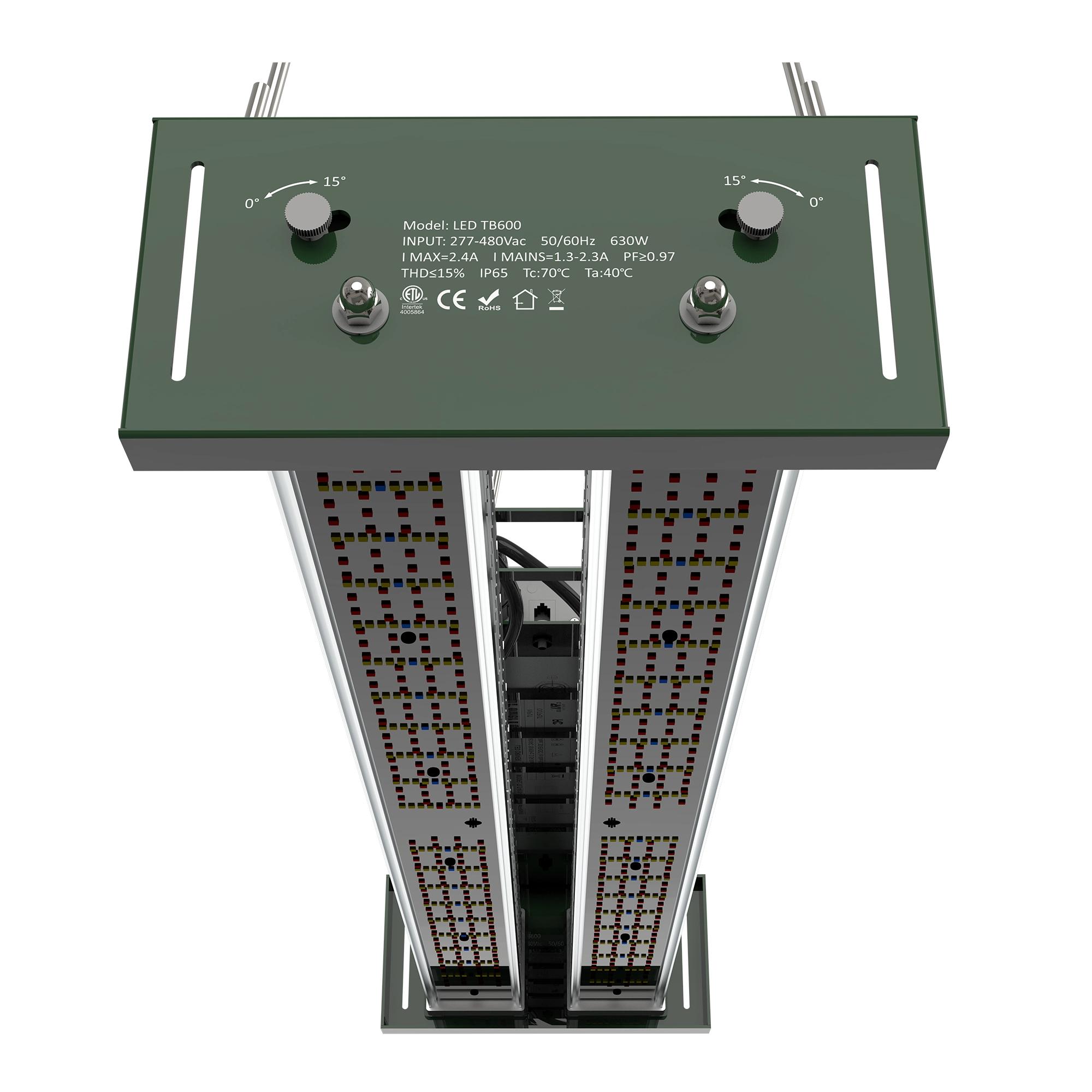
Current Sanity data lists the Number LED TB600 greenhouse toplight as a 600 W fixture with 2100 umol/s PPF, 3.5 umol/J efficacy, AC 200-480 V input, 150 degree beam angle, 0-10 V dimming, passive thermal management, 7.0 kg weight, and five-year standard warranty. Current Sanity data lists the Number LED PGF18 T8 grow tube as an 18 W, 120 cm product with 40 umol/s PPF, 2.2 umol/J efficacy, 0-10 V dimming, passive aluminum-housing cooling, 0.35 kg weight, and five-year standard warranty. Put the relevant product ID, model name, power row, input-voltage row where available, dimming row, warranty row, and approved revision in the traceability sheet beside the serial or batch ID.
3. Separate serial identity from performance evidence
ISO guidance on documented information is useful because it treats records as evidence that planned work was done, including unique identification of outputs when traceability is required and records of release for delivery. For a grow-light buyer, that means the traceability sheet should point to the approved datasheet, label artwork, carton mark, inspection record, exception log, and release owner. It should not turn a serial number into an unsupported claim about yield, energy savings, certification scope, or field reliability.
4. Match fixture labels, carton labels, and country-of-origin rows
A useful release packet includes photos or scans of the fixture rating label, serial or batch label, carton label, packing list, and any private-label artwork. For U.S.-bound merchandise, 19 CFR Part 134 is relevant context because it sets country-of-origin marking requirements and exceptions; the buyer should still confirm the final legal wording with the importer or customs adviser. The traceability sheet should show whether the origin row, model row, carton mark, and serial range agree before shipment release.
5. Add a private-label crosswalk when names change
Private-label orders need one more bridge: buyer SKU, buyer model name, Number product ID, factory model, carton mark, and serial or batch range. DLC horticultural program pages are a helpful reminder that model numbers, fixture updates, and private-label applications are separate record concepts. In an OEM or ODM grow light project, do not let a customer-facing name replace the underlying approved product row. Keep both names in the traceability sheet so receiving inspection, warranty review, and future repeat orders can find the same shipment record.
6. Use one traceability sheet for release
The sheet should include purchase order, buyer SKU, Number product ID, factory model, approved revision, serial number or batch ID, production date or lot date, carton number, quantity, label version, carton artwork version, manual version, inspection sample reference, open exceptions, release decision, release owner, and receiving-inspection owner. If any row is missing, mark it as blocked rather than hiding it in notes.
Questions to ask before shipment release
Does every serial range or batch ID point to one approved product row? Do fixture labels, carton labels, packing lists, and inspection photos use the same model identity? Are private-label names mapped back to the Number product ID? Are certification, listing, origin, warranty, yield, and savings claims excluded unless the current supporting document is attached? Is there a receiving-inspection plan for scanning or sampling the identifiers after arrival?
Next action: before release, ask Number for a serial or batch traceability sheet that links the approved model rows, label files, carton records, inspection evidence, open exceptions, and release owner for the exact shipment being supplied.