How to Build a Grow Light Shipment Deviation List
A shipment-release checklist for recording grow-light deviations, affected model rows, buyer concessions, corrective actions, and evidence owners.
A grow light shipment deviation list records what changed, what is affected, who accepted it, and what evidence controls release. It is useful when a shipment has an accessory change, label update, cable question, carton difference, sample-photo finding, or open corrective action that should not be hidden inside a chat thread or packing note.
1. Start from the exact shipped model rows
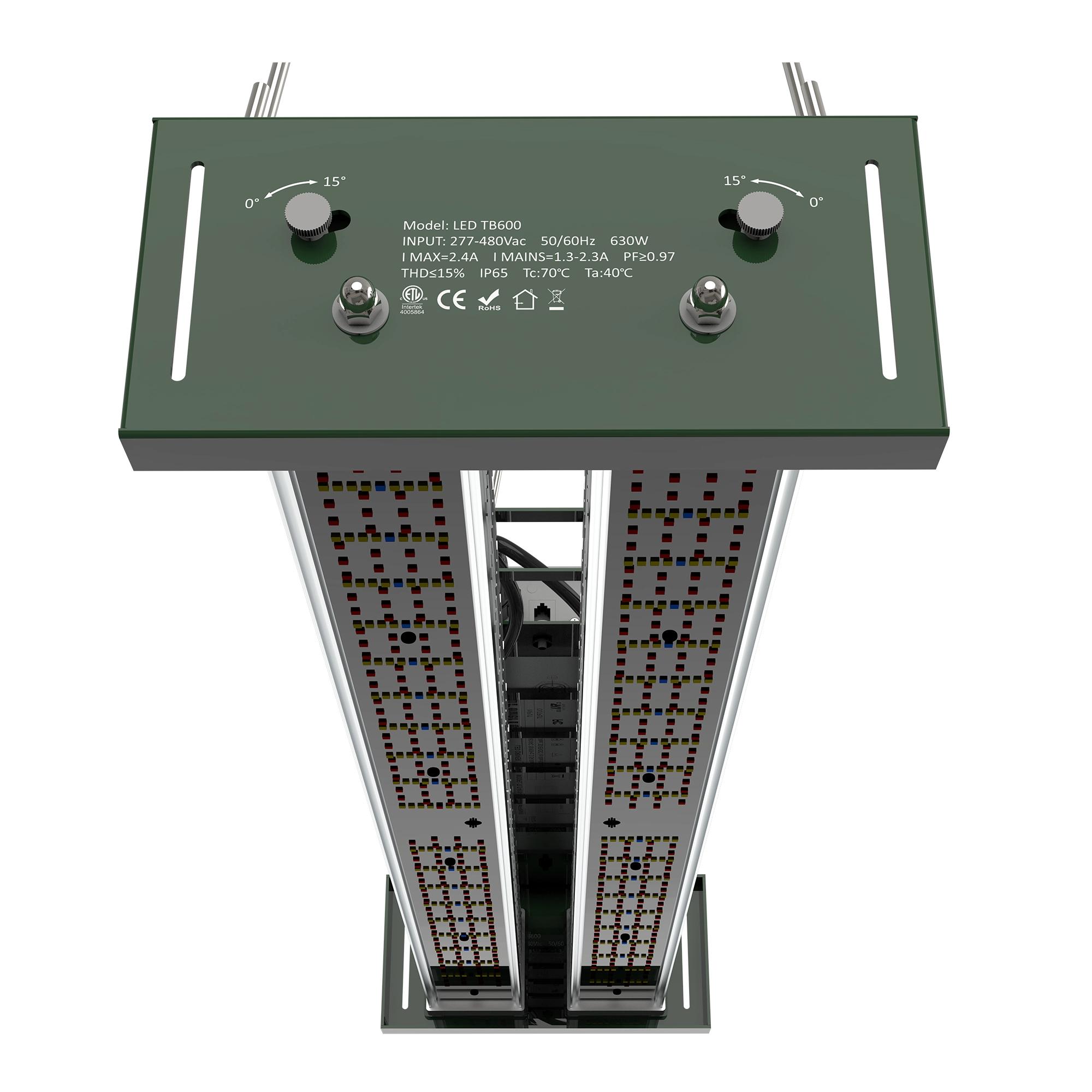
Open the deviation list with product ID, quoted SKU, buyer SKU, purchase order, carton mark, and shipped quantity. Current Sanity data lists the LED TB600 greenhouse toplight as 600 W +/-5 percent, 2100 micromoles per second PPF, 3.5 micromoles per joule efficacy, AC 200-480 V input, 150 degree beam angle, 0-10 V dimming, passive thermal management, -20 C to 35 C operating temperature, 7.0 kg weight, and five-year standard warranty. Current Sanity data lists the LED PGF18 T8 grow tube as 18 W +/-5 percent, 40 micromoles per second PPF, 2.2 micromoles per joule efficacy, 0-10 V dimming, aluminum-housing passive cooling, -20 C to 35 C operating temperature, 0.35 kg weight, and five-year standard warranty. Keep these rows separate so a deviation on a tube light cannot be copied onto a greenhouse toplight.
2. Write deviations as facts, not conclusions
A useful deviation row describes the requirement, the observed condition, the evidence location, and the affected quantity. ISO Auditing Practices Group guidance emphasizes precise, systematic records for nonconformities and follow-up. For a grow-light shipment, that means a photo, label file, packing-list row, inspection record, drawing revision, or buyer email should be named in the deviation list.
3. Classify each row by release decision
Use a short decision status for every row: correct before shipment, accept under buyer concession, ship with replacement item, hold affected cartons, update label or manual, retest, rework, or split into a follow-up order. Do not use vague wording such as acceptable, minor, or fixed unless the row also shows who approved the decision, what evidence changed, and whether the change affects product identity, electrical data, dimming, mounting, ingress exposure, warranty wording, or carton contents.
4. Separate technical evidence from commercial acceptance
Some deviations are commercial, such as carton artwork or accessory quantity. Others may touch technical evidence, such as dimming hardware, input rating, connector exposure, or model-number scope. DLC horticultural technical requirements discuss product-level reporting and controllability, while UL Solutions horticultural lighting guidance points to wiring, connection, ingress, moisture, and environmental considerations. Treat those topics as evidence requests, not as claims that a shipment is certified, listed, or approved without model-specific documents.
5. Use one controlled table before release
Before an OEM or ODM grow light shipment discussion, build one table with columns for deviation number, product ID, buyer SKU, affected quantity, requirement, observed condition, evidence file, technical risk, commercial decision, buyer concession if needed, corrective action, owner, due date, and release status. The smallest useful rule is simple: if a deviation changes the approved model row, label, manual, cable, connector, mounting, carton, or warranty wording, it needs a named evidence owner before the shipment leaves.