How to Build a Grow Light SKU Approval Sheet
A mixed-order checklist for locking grow light SKU names, verified specs, evidence owners, and approval rows before purchase release.
A mixed grow light order can fail review even when each fixture is technically acceptable. The usual problem is not only price or wattage; it is that procurement, cultivation, engineering, and the factory are looking at different names, option rows, and evidence files. A SKU approval sheet gives every party one controlled record before purchase release.
1. Lock the product identity first
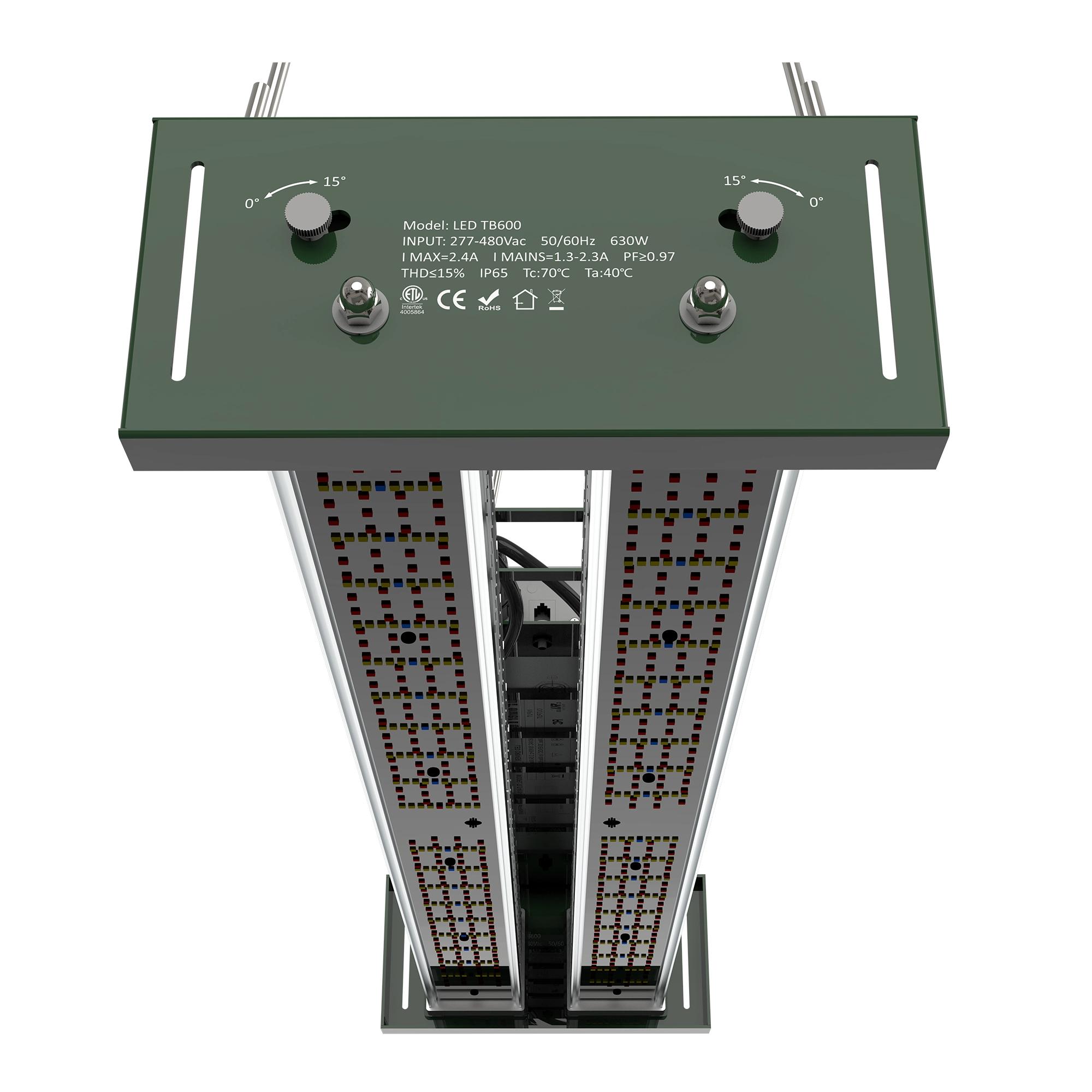
Start with the exact Sanity product name, product ID, application, and buyer-facing name that will appear on the purchase order. Current data lists the LED TB600 greenhouse toplight as a 600 W greenhouse fixture and the LED JT720F as a 720 W indoor fixture. Do not let shorthand names such as F320, toplight, or foldable light stand alone when multiple Number models share similar power ranges or applications.
2. Put verified baseline specs in fixed rows
For each SKU, create fixed rows for power, PPF, efficacy, input voltage where present, dimming method, operating temperature, thermal management, weight, warranty, certifications, and customizable options. Current Sanity specifications list the TB600 at 600 W +/-5%, 2100 micromoles per second PPF, 3.5 micromoles per joule efficacy, AC 200-480 V input voltage, 0-10 V dimming, passive thermal management, -20 C to 35 C operating temperature, 7.0 kg weight, and five-year standard warranty. The JT720F record lists 720 W, 1950 micromoles per second PPF, 2.7 micromoles per joule PPE, AC 220-240 V input voltage, knob and 0-10 V dimming, passive cooling, -20 C to 35 C operating temperature, 6.6 kg weight, and one-year standard warranty.
3. Treat similar model names as a control risk
A SKU sheet is especially useful when two products share a partial name. Current Sanity data includes LEDtb F320 greenhouse toplight at 320 W, 1120 micromoles per second PPF, 3.5 micromoles per joule efficacy, 0-10 V dimming, 3.0 kg weight, and three-year standard warranty. It also includes LEDzx F320 grow light at 320 W +/-5%, 800 to 930 micromoles per second PPF, 2.5 to 2.90 micromoles per joule efficacy, 0-10 V dimming, 3.5 kg weight, and five-year standard warranty. The approval sheet should keep those as separate SKUs, not one generic F320 line.
4. Assign an evidence owner to every claim
Do not use one evidence column for everything. Product-record fields can support model names, listed specifications, and current customization options. They do not prove crop yield, energy savings, current certification-directory status, utility eligibility, customer results, or installation approval. If a sales sheet or import file needs one of those claims, assign a separate owner for the certificate scope, test report, layout file, measurement record, or signed engineering submittal.
5. Use the sheet as a release checklist
Before issuing the purchase order or requesting an OEM or ODM grow light discussion, mark each row as approved, blocked, or not applicable. A complete sheet should name the SKU, base product, required option, verified source, evidence owner, approval date, and release condition. If any row depends on unverified performance, certification, testing, or customer-result evidence, keep the order blocked until that asset is supplied.