How to Check Grow Light Input Voltage Before Ordering
A commercial buyer checklist for matching grow light input voltage, wattage, dimming, and evidence before approving a mixed-fixture order.
Input voltage is a purchase specification, not a detail to clean up after the fixture quote is approved. A grow-light order can include greenhouse toplights, indoor foldable LEDs, HID kits, controllers, extension cables, and site-specific plugs. If the electrical service and fixture input range are not checked early, the buyer may approve a product that still needs a different driver, wiring plan, or installation review before it can be used.
1. Record the site service before comparing fixtures
Start with the service available at the room, bay, bench, or greenhouse zone: voltage, phase where relevant, circuit limits, breaker plan, plug or hardwire preference, cable path, and local installer requirements. Keep that information separate from the lighting target. PPF, PPE, spectrum, and mounting decide whether the light can meet the crop plan; input voltage decides whether the quoted configuration can be powered correctly at the site.
2. Compare the actual input range, not only wattage
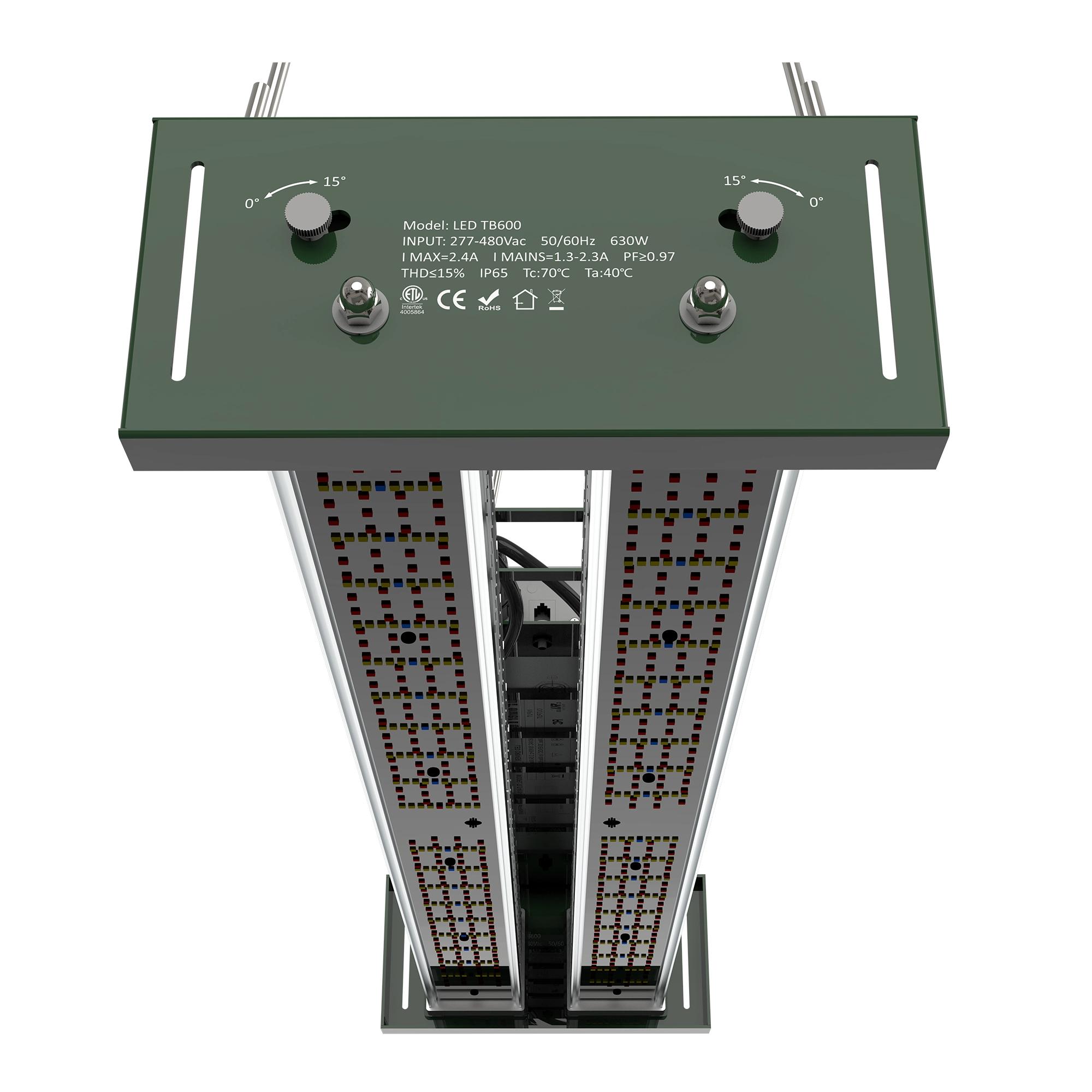
Current Sanity product data lists different electrical inputs across Number products. The LED TB600 greenhouse toplight lists AC 200-480 V input, 600 W power consumption, 2100 micromoles per second PPF, and 3.5 micromoles per joule efficacy. The LED JT720F lists AC 220-240 V input, 720 W power consumption, 1950 micromoles per second PPF, and 2.7 micromoles per joule efficacy. The SUMMIT 1000W HPS grow light lists AC 120-277 V input, 1000 W power, and 2100 micromoles per second PPF. Those ranges should not be treated as interchangeable just because the products all serve horticultural lighting projects.
3. Flag mixed-voltage orders before the quote is locked
A mixed order may be technically reasonable, but it needs a clear schedule: which models go into each room or bay, which service voltage each group expects, whether accessories share the same supply assumptions, and whether the installer needs separate labels or packing groups. For OEM or private-label purchasing, ask the supplier to confirm the input range on the specification sheet, product label, carton label, and purchase order before the sample or production lot is approved.
4. Check dimming and control wiring at the same time
Do not separate power approval from control approval. The current TB600 and JT720F records both list 0-10 V dimming, while the SUMMIT HPS record lists HID lamp options and does not document the same LED dimming field. If the order includes controllers, zones, or a retrofit from an existing lighting system, confirm the control signal, channel count, cable route, and whether the fixture group should be switched, dimmed, or scheduled by a separate control device.
5. Request a simple evidence packet
Before ordering, request the current specification sheet, label artwork or label photo, plug and cable note, dimming wiring note, product packing split, and any model-specific installation guidance available for the quoted configuration. Treat certifications, yield results, energy savings, and utility eligibility as separate evidence questions. A voltage match does not prove performance, compliance, savings, or crop outcome.
Next action
Send the target fixture model, room or greenhouse service voltage, plug preference, dimming method, and installation country with the inquiry. Number can then check whether the standard product configuration fits the electrical plan or whether an OEM/ODM configuration review is needed before production.