How to Check Grow Light IP Ratings Before High-Humidity Orders
A procurement checklist for verifying grow light IP ratings, installation exposure, fixture and controller placement, and required evidence before high-humidity orders.
High-humidity grow environments make IP ratings a procurement issue, not a brochure detail. Before approving fixtures, bars, or controllers, the buyer should map where water, dust, cleaning spray, condensation, and staff handling can reach the product, then verify that the product record and supplied documents match that exposure.
1. Treat IP as a code that needs evidence
The International Electrotechnical Commission describes IEC 60529 as the system used to rate enclosure resistance against dust and liquid intrusion. In a purchase file, write the exact IP code, product model, document source, test or listing reference if supplied, and the installation location where that code is being relied on.
2. Separate fixture exposure from controller exposure
3. Check the current Number product fields
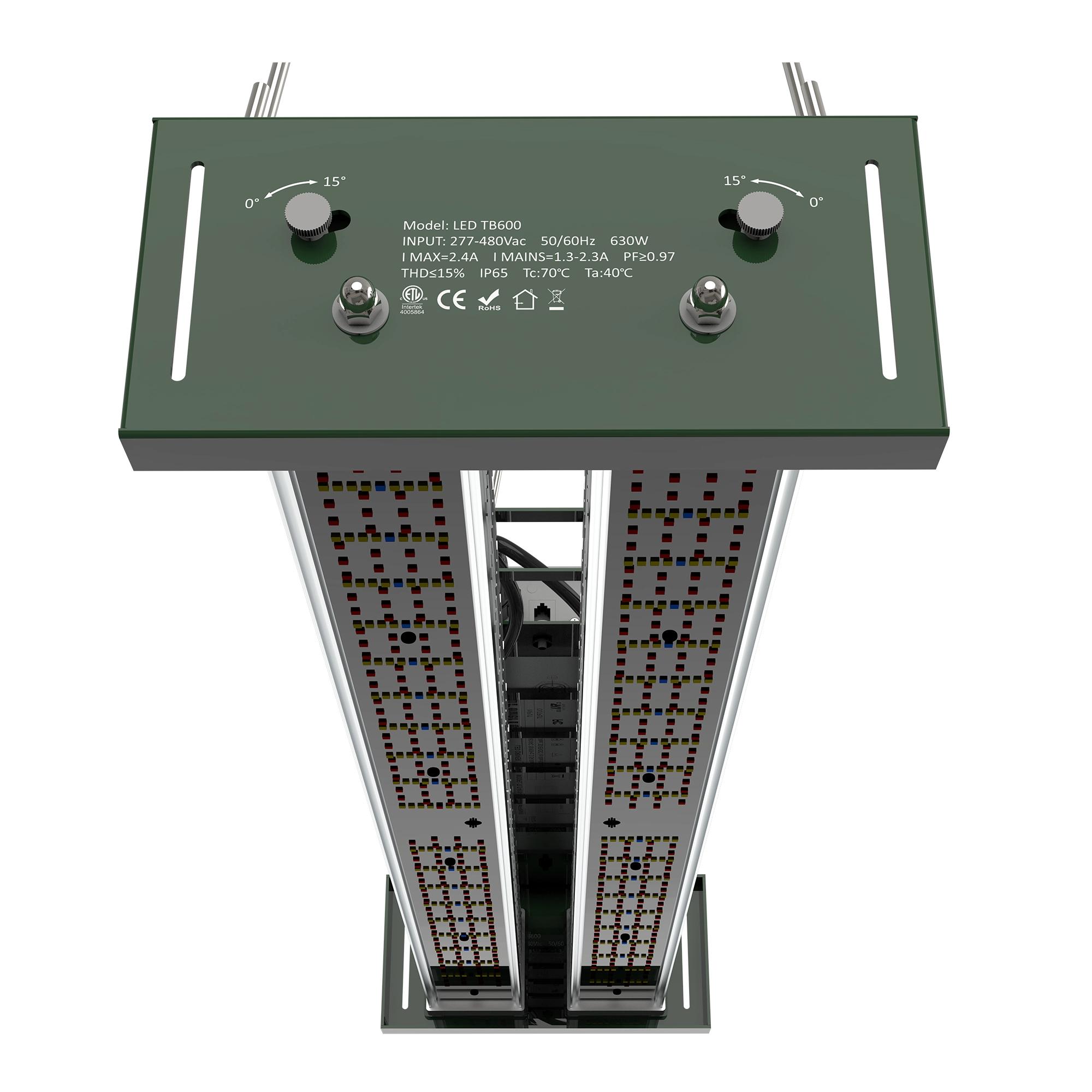
Current Sanity data for the Number LED TB600 greenhouse toplight lists DLC, CE, and RoHS certifications, 600 W plus or minus 5 percent power consumption, 2,100 micromoles per second PPF, 3.5 micromoles per joule efficacy, AC 200-480 V input, 0-10 V dimming, passive thermal management, -20 C to 35 C operating temperature, and a feature note for IP65 use in high-humidity growing environments. Treat those as model fields to verify in the quotation package, not as proof of the full facility design.
For nursery racks, current Sanity data for the Number LED PGF18 T8 grow tube light lists ETL, FCC, CE, RoHS, and SAA certifications, 18 W plus or minus 5 percent power consumption, 40 micromoles per second PPF, 2.2 micromoles per joule efficacy, 0-10 V dimming, aluminum-housing passive cooling, -20 C to 35 C operating temperature, and an IP65 feature note. If the rack will be cleaned in place, confirm the tube, connectors, end caps, cable route, and plug grouping as one evidence package.
Do not assume controllers have the same exposure rating as fixtures. Current Sanity data for the Number Master Pro RS485 controller lists IP54 protection, 12 V / 1 A power from an included 100-240 VAC adapter, 2-way RS485 output, -20 C to 40 C and 0-90 percent RH operating range, 20,000 hour lifespan, and a two-year warranty. That makes placement, enclosure choice, cable entry, and cleaning exposure part of the controller specification.
4. Put five IP checks in the purchase order
Before release, require the supplier to identify the exact product model, the IP code or environmental protection field, the fixture or controller surfaces covered by that field, the connector and cable assumptions, and the maintenance or cleaning limits that would void the assumption. If any answer is missing, hold the order at evidence review instead of converting the IP note into a site-wide claim.
5. Decide what evidence is enough for the project
For a low-risk reorder, the current product page, datasheet, and quotation may be enough. For a new greenhouse, vertical farm, private-label order, or harsh cleaning process, request the latest datasheet, installation instructions, certification listing where relevant, connector drawing, and a written statement of the intended environment. Keep crop-yield, energy-saving, and compliance claims out of the IP decision unless project-specific evidence is supplied.