How to Compare Grow Light Warranty Terms Before Ordering
A commercial buyer checklist for verifying grow-light warranty duration, model scope, evidence, and order documents before approving mixed fixtures.
Warranty is a commercial specification, not only an after-sales line item. A mixed grow-light order may include greenhouse toplights, indoor foldable fixtures, low-profile bars, controllers, and accessories with different operating environments and different documented warranty periods. Before approving a quote or OEM sample, buyers should confirm what warranty term applies to each exact model and what evidence will appear in the purchase file.
1. Compare the warranty field by model
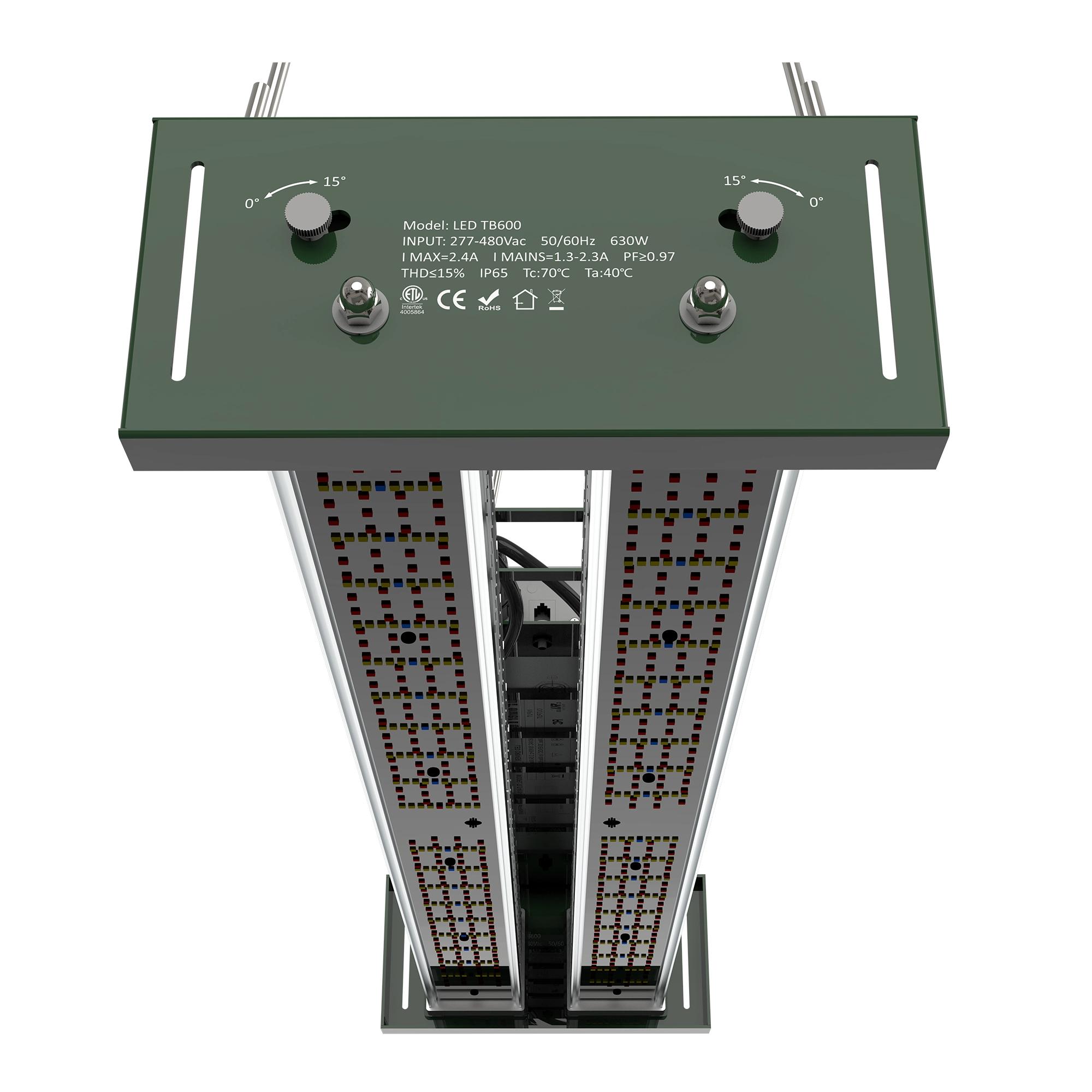
Current Sanity product data lists different warranty fields across Number fixtures. The LED JT720F record lists a 1 year standard warranty, 720 W power, 1950 micromoles per second PPF, and 2.7 micromoles per joule efficacy. The LEDtb F320 greenhouse toplight record lists a 3 years standard warranty, 1120 micromoles per second PPF, and 3.5 micromoles per joule efficacy. The LED TB600 greenhouse toplight record lists a 5 years standard warranty, 600 W power consumption, 2100 micromoles per second PPF, and 3.5 micromoles per joule efficacy. These terms should be checked as model-specific records, not averaged across a product family.
2. Ask for the warranty document before the order is approved
The FTC's consumer warranty guidance says warranty terms should be available for review before purchase. For a B2B grow-light order, use the same practical discipline even when the contract is negotiated separately: request the current warranty document, model list, start date rule, proof-of-purchase requirement, replacement or repair process, freight responsibility, and any installation or environment exclusions before the quote is locked.
3. Match warranty scope to the operating environment
Do not treat a warranty period as proof of yield, energy savings, certification status, or suitability for every installation. Check whether the warranty document aligns with the actual use case: greenhouse humidity, indoor room temperature, mounting orientation, dimming method, voltage range, cleaning practice, and whether accessories or controllers are covered under the same or separate terms.
4. Build a mixed-order warranty schedule
For a distributor, greenhouse project, or private-label order, create a one-page schedule with SKU, Sanity product name, quoted model, power, PPF, input voltage where documented, dimming method, standard warranty period, customization notes, and the warranty document version. This helps prevent a 1 year, 3 years, and 5 years product from being presented to the customer as if they share one blanket term.
5. Confirm OEM or private-label wording separately
If the product is customized for spectrum, logo, color, cable length, dimming, mounting, or power, confirm whether the standard warranty still applies to the configured product. Ask for the exact warranty wording that will appear in the sales material, carton documentation, and customer support process. Treat any claim about certified listings, test results, or customer performance as a separate evidence request.
Next action
Send the product list, target market, installation environment, customization request, and preferred warranty wording with the inquiry. Number can then check the current model records and identify whether the standard warranty language is enough or whether the OEM project needs a dedicated warranty schedule before production.