How to Control a Grow Light Golden Sample Before Production
An OEM buyer checklist for freezing a grow light golden sample, revision record, verified specs, labels, and open evidence before production release.
A golden sample is only useful when it is treated as a controlled reference, not as a nice photo from the sample stage. Before an OEM grow light order moves into production, the buyer should freeze the exact sample identity, approved specification rows, label and packaging revision, and open exceptions. That creates one practical reference for purchasing, engineering, inspection, and shipment release.
1. Give the sample a traceable identity
The approval sheet should name the product ID, public model name, buyer SKU, sample code, revision date, spectrum version, power version, dimming method, label file, carton file, and the person who approved each row. Do not approve a golden sample by model family alone. A 600 W greenhouse toplight sample, a 720 W foldable indoor fixture sample, and a customized private-label variant need separate evidence rows even when they come from the same supplier conversation.
2. Start from verified Number product rows
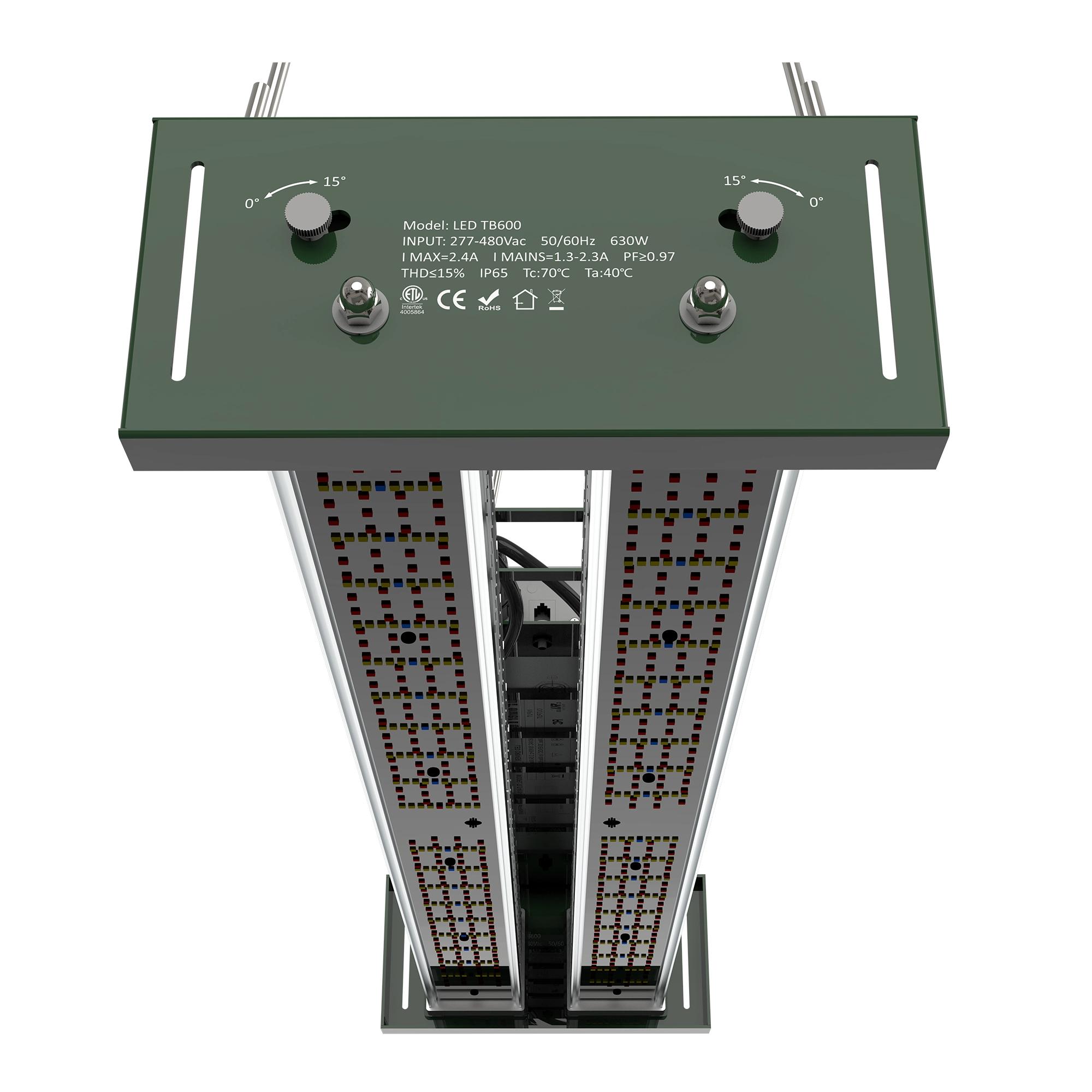
Current Sanity data lists the Number LED TB600 greenhouse toplight as a 600 W fixture with 2100 umol/s PPF, 3.5 umol/J efficacy, AC 200-480 V input, 0-10V dimming, at least 0.97 power factor, passive thermal management, -20 deg C to 35 deg C operating range, 7.0 kg weight, and five-year standard warranty. Current Sanity data lists the Number LED JT720F as a 720 W fixture with 1950 umol/s PPF, AC 220-240 V input, knob and 0-10V dimming, passive cooling, -20 deg C to 35 deg C operating range, 6.6 kg weight, and one-year standard warranty. Use those rows as approval evidence only for the matching sample version.
3. Separate standard specs from customized rows
Customization fields should trigger more control, not less. The TB600 record lists spectrum, power, size, logo, color, cable length, dimming, and mounting as customizable. The JT720F record lists spectrum, logo, and color as customizable. In an OEM or ODM grow light project, any approved change should name the changed row, sample revision, drawing or photo reference, and whether the change affects labels, manuals, cartons, test reports, or future inspection checks.
4. Keep more than the physical sample
A retained sample should travel with a record set: dated photos from each side, close-ups of the label, driver or ballast marking where visible, connector or cable exit, mounting hardware, accessory set, carton label, manual revision, and any buyer-approved exceptions. ISO 9001 and PPAP-style production-release workflows are useful context because they emphasize controlled evidence, approved changes, and records that can be checked later. The buyer does not need to turn every order into a formal automotive PPAP package, but the same discipline helps prevent quiet sample drift.
5. Define how production will be compared
Before release, decide which production checks will compare against the golden sample: visual construction, model label, power rating, spectrum label or code, dimming interface, cable and connector, mounting kit, accessory count, carton mark, and approved warning text. Mark each item as critical, major, minor, or informational. That gives incoming inspection and pre-shipment inspection a shared standard without claiming that a sample approval proves every future production lot has passed.
6. Do not let the sample imply unsupported claims
A golden sample can confirm an approved build reference. It does not by itself prove crop yield, energy savings, certificate scope, marketplace eligibility, utility rebate status, lot defect rate, service life, lead time, or return on investment. Treat certification fields in the product record as prompts to collect the current certificate, declaration, listing, or test file before public claims are made. Treat performance rows as product specifications, not as grow-room results.
Production-release checklist
Before approving production, create one golden-sample control sheet with product ID, model name, buyer SKU, sample code, revision, approved spec rows, customization rows, label file, carton file, photo set, retained physical sample location, test or certificate files if claimed, open exceptions, and release owner. The smallest useful next action is to ask Number for the current product row, sample revision record, and approved photo or drawing set for the exact configuration being ordered.
Source note: Product-specific statements were checked against current Sanity records for LED TB600 and LED JT720F on 2026-09-19. External context was checked through current English search-result review for golden sample control, ISO 9001 documented-information/change-control framing, and PPAP-style sample approval records. This article does not claim crop output, energy savings, independent certification scope, production-lot approval, defect rate, customer outcomes, lead time, MOQ, or competitor comparisons.