How to Control Grow Light Repeat Order Changes
A repeat-order checklist for controlling grow-light model rows, custom options, labels, evidence owners, and approval changes before reordering.
A grow light repeat order can look low risk because the buyer has already approved a sample, label, carton, or previous shipment. The risk is that small changes accumulate between the approved record and the next purchase order: spectrum, cable length, dimming method, input rating, artwork, carton mark, warranty text, or even the baseline model row. A useful repeat-order record proves what stays unchanged, what changed, who approved it, and which evidence file supports the new version.
1. Start from the last approved evidence packet
Do not begin a repeat order from memory or a recycled quotation. Pull the last approved sample sheet, product ID, model name, power version, spectrum note, input-voltage row, dimming method, label artwork, carton mark, inspection decision, and open exceptions. ISO quality-management guidance on documented information is useful context here because repeatability depends on controlled records, not informal agreement. If the previous shipment had a waiver or unresolved evidence gap, copy that item into the repeat-order review instead of letting it disappear.
2. Reconcile the repeat order with current Number rows
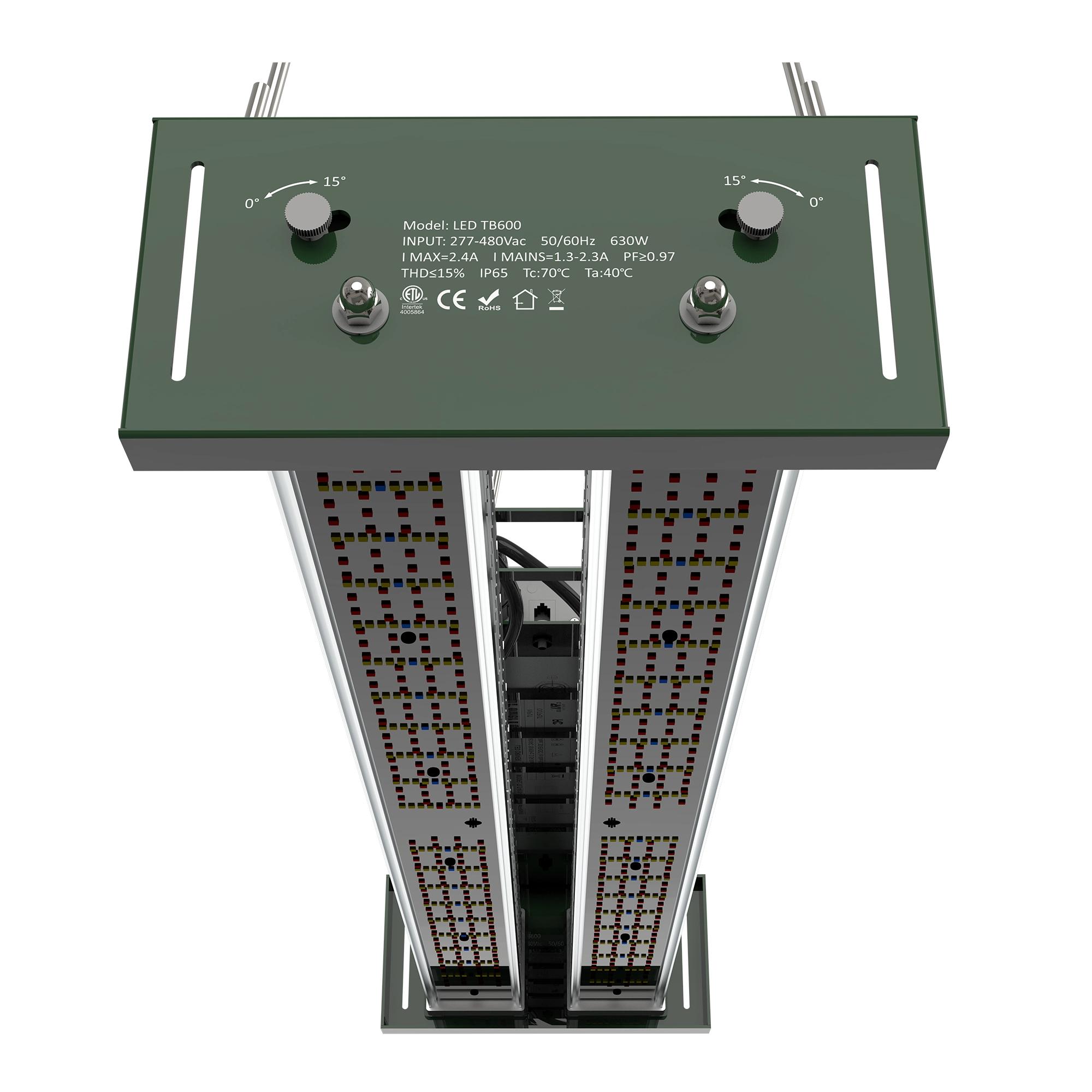
Current Sanity data lists the Number LED TB600 greenhouse toplight as a 600 W fixture with 2100 umol/s PPF, 3.5 umol/J efficacy, AC 200-480 V input, 150 degree beam angle, 0-10 V dimming, at least 0.97 power factor, passive thermal management, -20 deg C to 35 deg C operating range, 7.0 kg weight, and five-year standard warranty. Current Sanity data lists the Number LED JT720F foldable indoor fixture as a 720 W fixture with 1950 umol/s PPF, 2.7 umol/J efficiency, AC 220-240 V input, knob and 0-10 V dimming, passive cooling, -20 deg C to 35 deg C operating range, 6.6 kg weight, and one-year standard warranty. Put the current row beside the old approval row so procurement can see whether the repeat order is truly unchanged.
3. Classify every difference before approving price
Use four simple labels. No change means the current purchase order matches the approved evidence packet. Buyer-requested change means the customer asked for a new spectrum, logo, cable, color, mounting detail, dimming interface, label, or carton. Supplier-proposed change means the factory suggests a component, driver, housing, packaging, or document update. Evidence gap means the row is unclear or unsupported. Only the first category belongs in a fast repeat-order approval. The other three need a named evidence owner and approval date.
4. Treat customization fields as controlled inputs
The current TB600 row lists spectrum, power, size, logo, color, cable length, dimming, and mounting as customizable fields. The current JT720F row lists spectrum, logo, and color. Those fields support an OEM or ODM grow light project, but they do not make every changed version automatically equivalent to the last approved shipment. A repeat order should state whether each customization field is unchanged, revised, removed, or still waiting for evidence. If a private-label version is involved, compare the buyer SKU, Number product ID, factory model, carton mark, and artwork revision in one row.
5. Keep listing, label, and document claims separated
The DesignLights Consortium horticultural program is useful as a documentation prompt because its current program structure separates technical requirements, fixture updates, private-label applications, and qualified-product data. Use the same discipline in a buyer record. A certification field in a product row, a logo on artwork, a private-label request, and a changed fixture version are different evidence items. Do not approve a repeat order because the previous version carried a claim; ask which document supports the exact version being reordered.
6. Use one repeat-order change table
A practical table includes buyer SKU, Number product ID, factory model, previous approval date, current PO date, power row, PPF row, efficacy row, input voltage, dimming method, operating range, weight, warranty text, customization fields, label artwork revision, carton mark revision, open evidence gaps, approving owner, and whether a new sample, drawing, label proof, test report, or inspection photo set is required. The table should make a changed repeat order visible before price and delivery discussions hide the technical risk.
Questions to ask before releasing the repeat PO
Does the repeat order use the same product ID and model identity as the approved sample? Are all custom fields unchanged or separately approved? Do the label, carton, manual, warranty text, and product listing match the exact version being ordered? Are certification, listing, rebate, yield, or energy-saving claims excluded unless a current source document is attached? Has someone signed off each supplier-proposed change before the purchase order is released?
Next action: before reordering, send Number the last approved evidence packet, the current purchase order draft, and a short change table that marks every product, customization, label, and carton row as unchanged, revised, or blocked for missing evidence.