How to Freeze a Grow Light BOM Before OEM Production
A BOM-freeze checklist for OEM grow-light buyers to control model identity, approved components, substitutions, labels, and release evidence.
A grow light BOM freeze is the point where the buyer and supplier agree which component rows, labels, custom options, electrical ratings, and evidence files are allowed to move into OEM production. It should happen after the sample is reviewed but before mass-production purchasing starts. If the BOM is still informal at that point, procurement may approve one fixture while production builds another version that uses a different cable, driver, housing finish, label, dimming interface, or packaging row.
1. Freeze the commercial model identity first
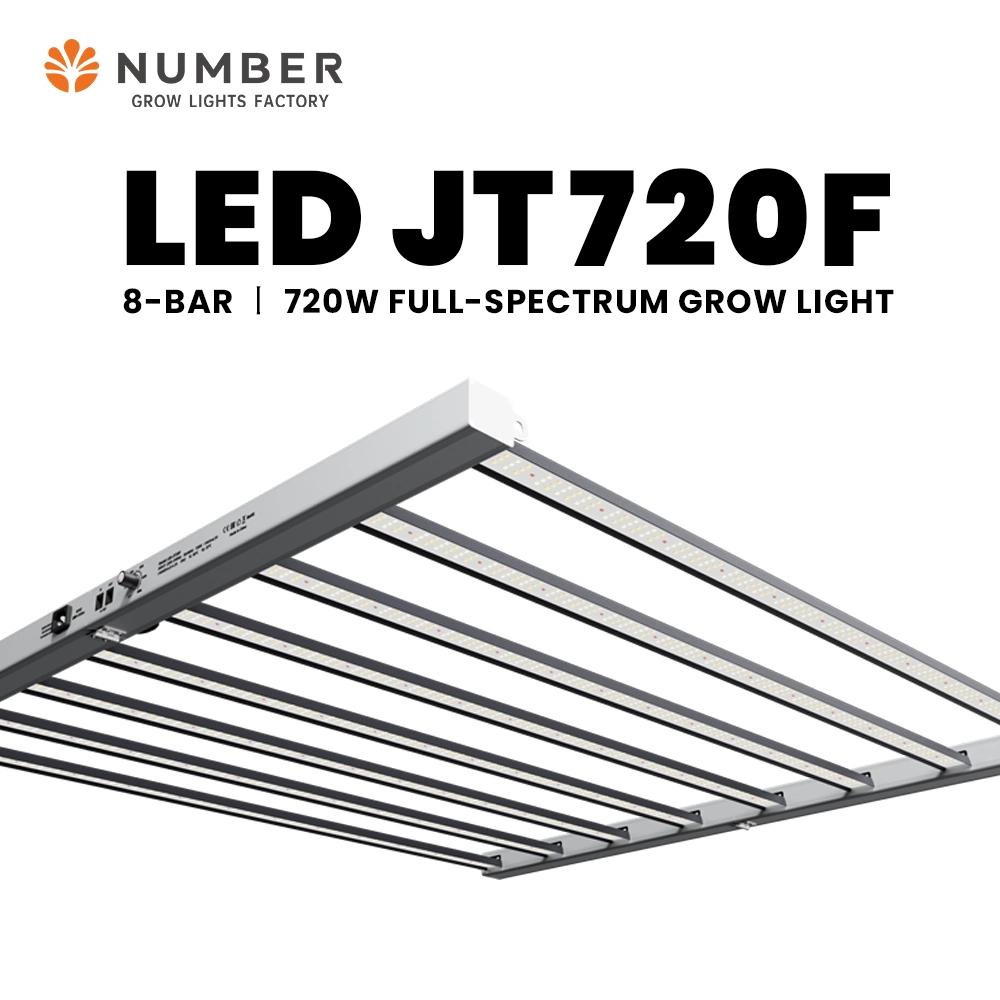
Start the BOM with the exact commercial identity that procurement, engineering, labels, cartons, and inspection records will use. Current Sanity data lists LED TB600 as a 600 W greenhouse toplight with 2100 micromol/s PPF, AC 200-480 V input, 0-10 V dimming, 150 degree beam angle, 7.0 kg weight, and a five-year standard warranty. Current Sanity data lists LED JT720F as a 720 W indoor fixture with 1950 micromol/s PPF, AC 220-240 V input, knob and 0-10 V dimming, 6.6 kg weight, and a one-year standard warranty. These rows are model-reference data, not proof of a buyer-specific production release.
2. Convert custom options into controlled BOM rows
A buyer should not leave customization as a sales note. If the project uses OEM/ODM customization, each approved option needs a controlled row: spectrum, power, size, logo, color, cable length, dimming method, mounting kit, label language, packaging artwork, and any buyer-owned part number. Sanity currently lists TB600 customization options for spectrum, power, size, logo, color, cable length, dimming, and mounting. It lists JT720F customization options for spectrum, logo, and color. Treat any option outside those current rows as a project-specific request that needs written evidence before production release.
3. Use a simple BOM-freeze table
The useful table is short but strict: approved model name, buyer SKU, fixture revision, power row, input-voltage row, optical row, dimming row, mechanical row, cable or connector row, label file, packaging file, approved supplier or part family, substitute rule, evidence owner, and release date. Add a column for "allowed substitution" and make the default answer "not without buyer approval." That one column prevents a supplier-side purchasing change from becoming an undocumented product change.
4. Attach evidence to the row, not just the project
NIST supply-chain guidance emphasizes traceability and provenance for products and components. For an OEM grow-light order, that means each critical BOM row should point to the evidence that proves it was reviewed: product specification, drawing, sample photo, label file, test report reference, inspection criterion, supplier confirmation, or buyer approval email. Do not rely on a folder full of files unless the BOM row tells the reviewer which file belongs to which part.
5. Define the change rule before purchasing starts
ISO 9001 quality-management guidance treats design outputs, verification, validation, and changes as controlled work, not informal discussion. A practical OEM rule is: no driver, LED board, cable, connector, housing, lens, label, carton, or firmware substitution is released until the buyer knows what changed, why it changed, which performance or safety evidence is affected, which documents must be revised, and who approved the new revision.
6. Release production only after the BOM and sample agree
Before mass production, compare the frozen BOM with the approved sample, nameplate, packaging artwork, user manual, and inspection checklist. The buyer should be able to answer five questions: which exact fixture is being built, which component rows are locked, which rows are buyer-customized, which substitutions are prohibited without approval, and which evidence owner can resolve a conflict. If any answer is missing, the smallest useful evidence asset is a buyer-approved BOM-freeze sheet with revision, owner, and substitution columns.