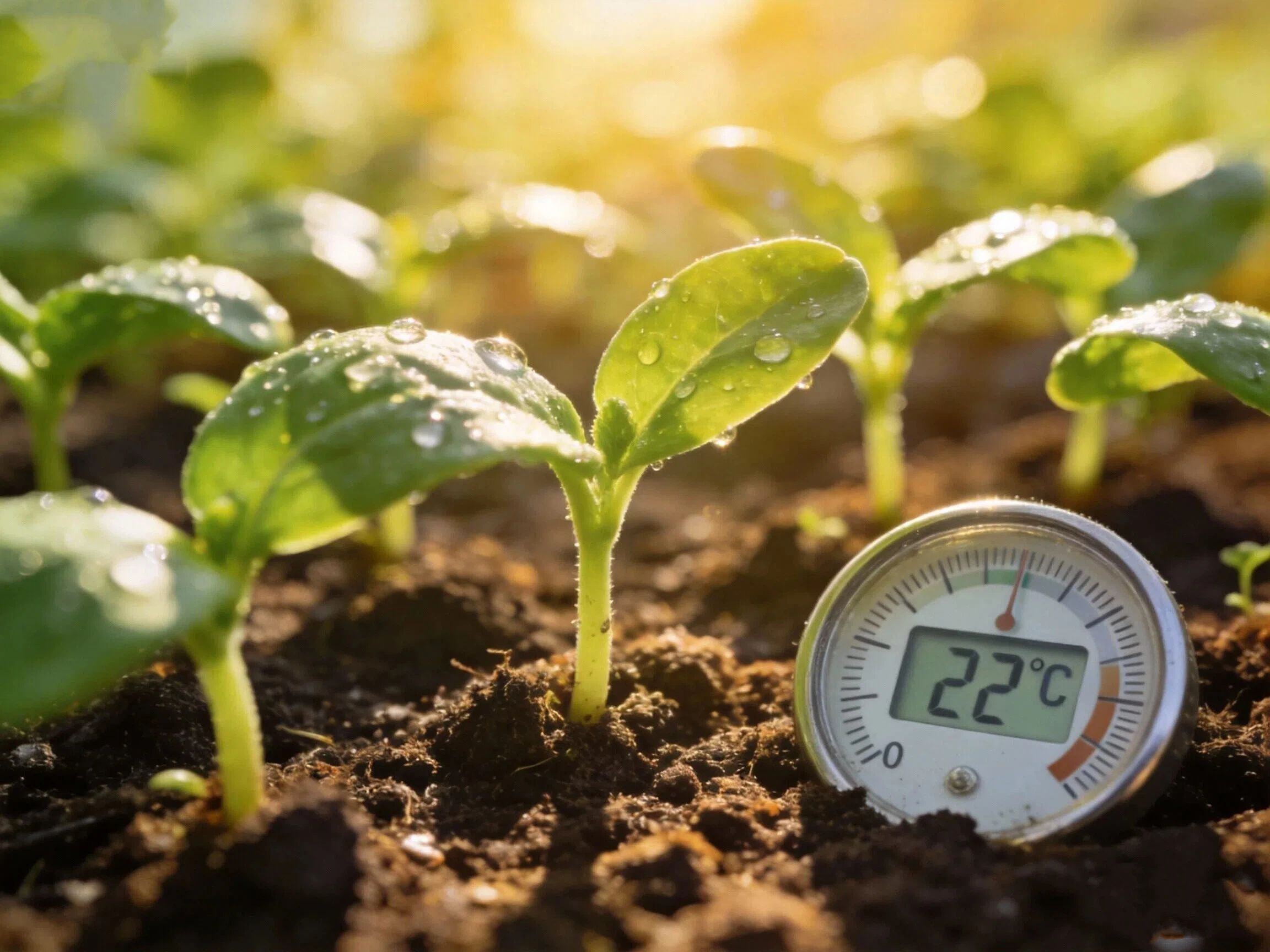
Key Factors That Influence Plant Growth: A Quick Guide
Learn the essential factors affecting plant growth, including environmental conditions, biological interactions, genetics, and hormones. A quick guide to healthier plants.
Introduction
Successful plant growth requires more than sunlight and water. Multiple factors work together to determine a plant's health, development, and yield. These factors fall into four main categories: environmental conditions, biological interactions, genetics, and hormones. Understanding them helps optimize growth for healthier plants.
Environmental Conditions: The Growth Foundation
External environmental factors create the foundation for plant growth. Light, temperature, water, humidity, and soil quality all play key roles.
Light and Temperature
- Light provides energy for photosynthesis.
- Spectrum: Different wavelengths trigger specific responses
- Intensity: Too little limits growth; too much causes stress
- Duration: Day length affects flowering and dormancy
- Temperature regulates metabolism and growth stages.
- Seeds need warmth to germinate
- Each plant thrives within specific temperature ranges
- Extreme heat or cold can damage plants
Water and Humidity
- Water is essential for nutrient transport, photosynthesis, and cell structure. Both under- and overwatering harm growth.
- Humidity influences water loss and disease risk:
- High humidity reduces water needs but may increase fungal risk
- Low humidity increases transpiration
Soil Quality
- Soil provides nutrients and anchors plants.
- Key factors include:
- Texture: Affects drainage and root growth
- pH: Impacts nutrient availability
- Organic matter: Supports microbial activity and soil structure
Biological Interactions: Living Organisms
Plants interact with other organisms, which can help or harm growth.
Beneficial Partnerships
- Pollinators (bees, butterflies) improve fruit and seed production
- Soil microbes aid nutrient uptake:
- Mycorrhizal fungi extend roots
- Nitrogen-fixing bacteria provide usable nitrogen
- Decomposers release nutrients from organic matter
Harmful Organisms
- Pests: Leaf eaters, sap feeders, and root feeders reduce growth
- Pathogens: Fungi and bacteria cause diseases, especially in high humidity
- Prevention: Good sanitation, proper watering, and balanced nutrients
Genetic Factors: The Plant Blueprint
Genetics determine plant growth patterns and potential.
- Growth habit: Determinate vs. indeterminate
- Maturity timing: When plants reach harvest
- Environmental needs: Light, temperature, moisture
- Yield potential: Maximum production capacity
Variety selection is critical: choose plants suited to your climate, with disease resistance and desired yield.
Hormonal Regulation: Internal Control
Plant hormones coordinate growth and responses to the environment.
- Auxins: Cell elongation and apical dominance
- Gibberellins: Stem growth and seed germination
- Cytokinins: Promote cell division
- Abscisic acid: Stress regulation
- Ethylene: Fruit ripening
Hormonal balance determines growth patterns, developmental timing, and stress responses.
Practical Tips for Better Plant Growth
- Optimize growing conditions: Provide the right light, temperature, water, and soil
- Support biological health: Encourage pollinators, feed soil microbes, monitor pests
- Choose the right plants: Match varieties to your environment and plan for disease resistance
Conclusion
Plant growth depends on multiple factors working together. Environmental conditions, biological interactions, genetics, and hormones all influence health and productivity. Understanding and optimizing these factors allows you to grow healthier, more resilient plants—whether indoors, in containers, or in the ground.