How to Prepare a Grow Light Customization Matrix for an OEM Quote
An OEM buyer checklist for turning grow light customization options into a quote-ready matrix before sample development or private-label approval.
An OEM grow light quote should not begin with only wattage and target price. Before sample development, the buyer should turn customization requests into a matrix that separates fixed electrical requirements, negotiable brand options, and items that still need engineering confirmation.
1. Start with the product family and application
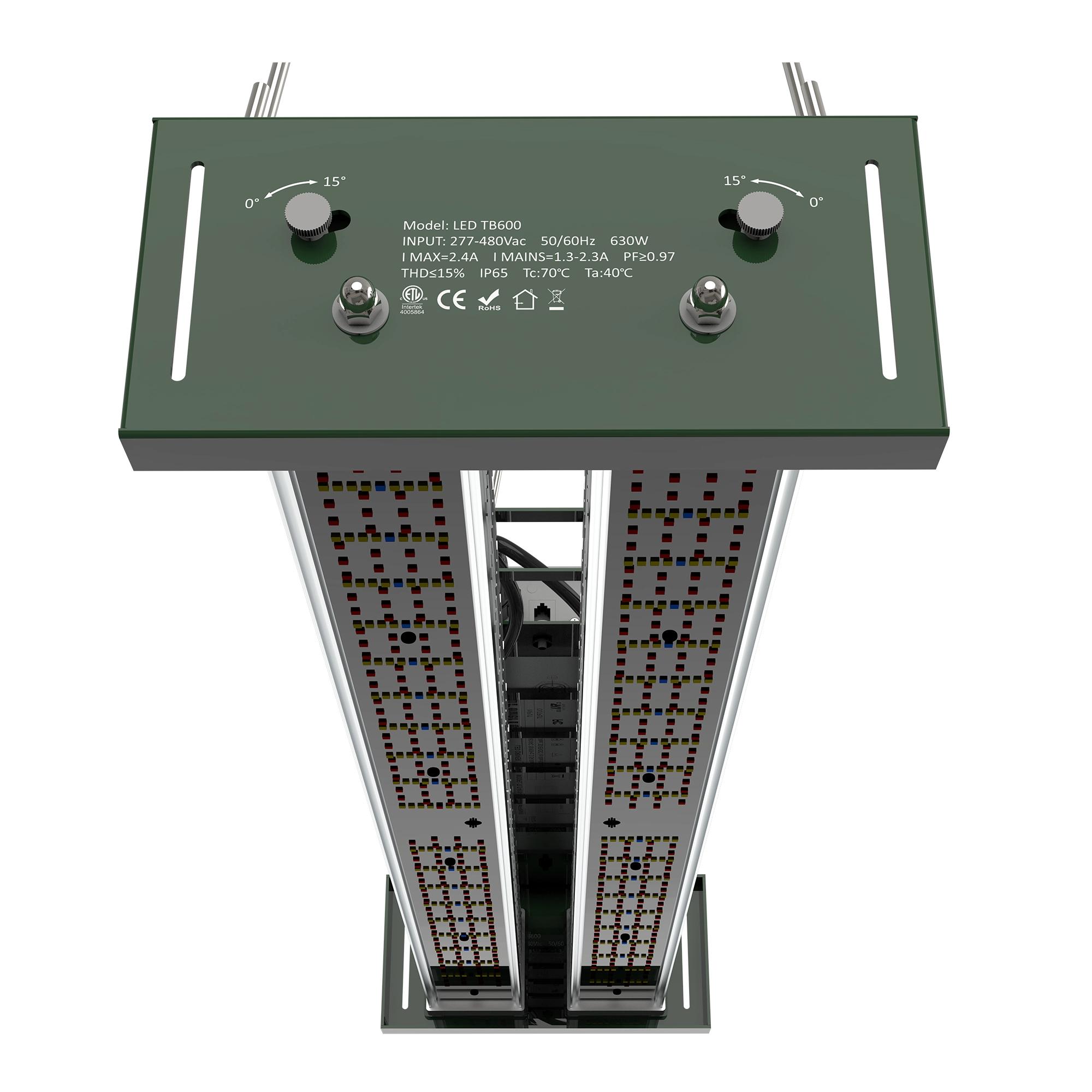
Use the matrix to name the intended product family first: greenhouse toplight, indoor bar fixture, under-canopy fixture, rack tube light, or controller. Current Sanity product data lists the LED TB600 greenhouse toplight with customizable spectrum, power, size, logo, color, cable length, dimming, and mounting. The LED PGF18 T8 grow tube lists customizable spectrum, power, logo, cable length, and dimming. Those fields are useful starting points, but the final quote still needs exact model, quantity, voltage, packaging, and evidence requirements.
2. Separate universal requests from model-specific requests
Across the checked Number product records, spectrum and logo appear on multiple customizable lists, while cable length, size, color, dimming, and mounting vary by model. Treat that variation as a quote-control issue. A buyer matrix should show each requested option in its own row, mark whether it is required or optional, identify the affected SKU, and state the evidence needed before approval.
3. Lock the non-negotiable technical baseline
Do not let optional branding details obscure the base specification. For example, current Sanity fields list the TB600 at 600 W, 2100 micromoles per second PPF, 3.5 micromoles per joule efficacy, AC 200-480 V input voltage, 0-10 V dimming, passive thermal management, -20 C to 35 C operating temperature, 7.0 kg weight, and five-year standard warranty. The PGF18 record lists 18 W +/-5% power consumption, 40 micromoles per second PPF, 2.2 micromoles per joule efficacy, 0-10 V dimming, passive aluminum-housing thermal management, -20 C to 35 C operating temperature, 0.35 kg weight, and five-year standard warranty.
4. Use quote rows that force decisions
A practical matrix includes rows for spectrum target, power version, mechanical size, housing or finish color, private-label logo placement, cable length and connector, dimming method, mounting hardware, certification evidence, label artwork, carton artwork, sample quantity, approval owner, and acceptance criteria. Each row should include the requested value, acceptable alternative, evidence source, due date, and whether changing it after sample approval affects the quote.
5. Keep claim evidence separate from quote preferences
The matrix should not turn a customization option into a performance promise. A product record can support a listed option or specification, but it does not prove crop yield, energy savings, certification-directory status, market approval, or customer results. If the quote depends on one of those claims, request the separate test report, certificate scope, project measurement, or approval document before using the claim in sales material.
Next action
Before requesting an OEM or ODM grow light quote, prepare a one-page matrix with required fields, optional fields, evidence owner, sample acceptance criteria, and the product family being modified. That gives procurement, engineering, and the factory the same basis for price, sample review, and private-label approval.