How to Prepare Grow Light Product Listing Evidence
A distributor checklist for turning verified grow-light specs, images, SKUs, and claim limits into product listing evidence before publishing.
A grow light product listing should not be built from a copied sales paragraph alone. For distributors, OEM buyers, and private-label catalog teams, the safer workflow is to publish only the rows that can be traced to a current product record, approved image, quotation, or evidence owner. That keeps a catalog page useful without turning unverified performance, certification, price, or availability language into a public claim.
1. Freeze the product identity before writing copy
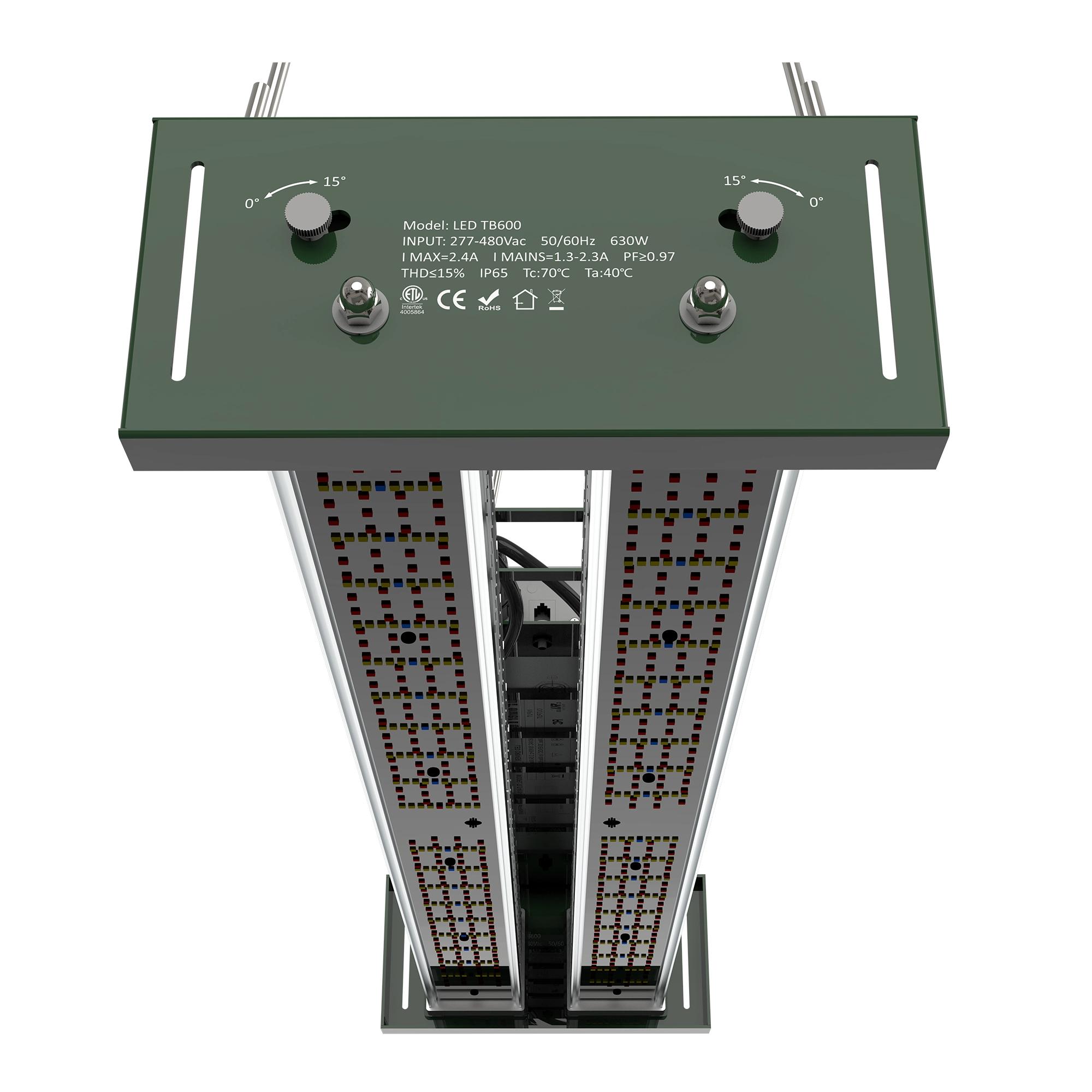
Start with the exact model row, not a product-family nickname. Current Sanity data lists the LED TB600 greenhouse toplight as a 600 W fixture with 2100 micromoles per second PPF and 3.5 micromoles per joule efficacy. It lists the LED PGF18 T8 grow tube as an 18 W, 120 cm product with 40 micromoles per second PPF and 2.2 micromoles per joule efficacy. Keep those as separate listing rows so search titles, SKU fields, image alt text, datasheets, and inquiry forms do not merge two different products.
2. Build an attribute table from verified rows
A useful distributor listing table names the source for every attribute: product ID, model name, power, PPF, efficacy, input voltage where present, dimming method, operating temperature, weight, warranty term, dimensions, customization options, certification fields, image asset, and datasheet version. The TB600 row currently includes AC 200-480 V input voltage, 0-10 V dimming, at least 0.97 power factor, 150 degree beam angle, -20 C to 35 C operating range, 7.0 kg weight, passive thermal management, and five-year standard warranty. The PGF18 specification table currently includes 18 W +/-5 percent power consumption, 0-10 V dimming, -20 C to 35 C operating range, 0.35 kg weight, aluminum-housing passive cooling, five-year standard warranty, and 1195 mm length in its description.
3. Treat images and alt text as evidence rows
Google product-data and structured-data guidance both make product identity, product images, descriptive text, and offer information part of the discoverability workflow. For a B2B grow-light catalog, that means the image should match the listed model, the alt text should describe the fixture rather than a vague keyword, and any price, availability, shipping, or return statement should come from the distributor's own current commercial file. If no approved offer row exists, do not invent one for schema, feed, or marketplace completeness.
4. Separate searchable copy from unsupported claims
Good listing copy can say what the product row supports: fixture type, wattage, photon output, control method, application fit, customization fields, and what evidence the buyer should request next. It should not convert marketing phrases into proof of yield, energy savings, utility eligibility, certificate scope, current listing-directory status, customer results, or return on investment. Number's product records list certification fields such as DLC, CE, RoHS, ETL, FCC, and SAA on different models, but those fields should point the distributor to certificate or declaration evidence before the mark is used as a public sales claim.
5. Mark customization as a request, not a finished SKU
Current Sanity data lists the TB600 as customizable for spectrum, power, size, logo, color, cable length, dimming, and mounting. It lists the PGF18 as customizable for spectrum, power, logo, cable length, and dimming. Those fields are useful for an OEM or ODM grow light conversation, but a distributor page should not imply that every customized color, cable, logo, spectrum, plug, or mounting kit is already approved. Create a separate listing row only after the configured SKU has an approved sample, image, datasheet, and claim review.
6. Approve the public listing like a controlled document
Before publishing, review the listing as one evidence packet: page title, model name, SKU, URL, product image, alt text, short description, specification table, downloadable file, certification wording, customization language, price or availability if used, inquiry link, and structured-data fields. Mark each row as approved, missing, or not applicable. The smallest useful next action is to ask Number for the current product row, approved product image, distributor SKU mapping, and evidence owner for every claim the public page will make.
Source note: Product-specific statements were checked against current Sanity records for LED TB600 and LED PGF18 on 2026-09-18. External context was checked against Google Merchant Center product data specification search-result context and Google Search Central product and merchant-listing structured-data guidance. This article does not claim crop-output gains, energy savings, independent test results, certificate scope, price, availability, lead time, marketplace approval, or customer outcomes.