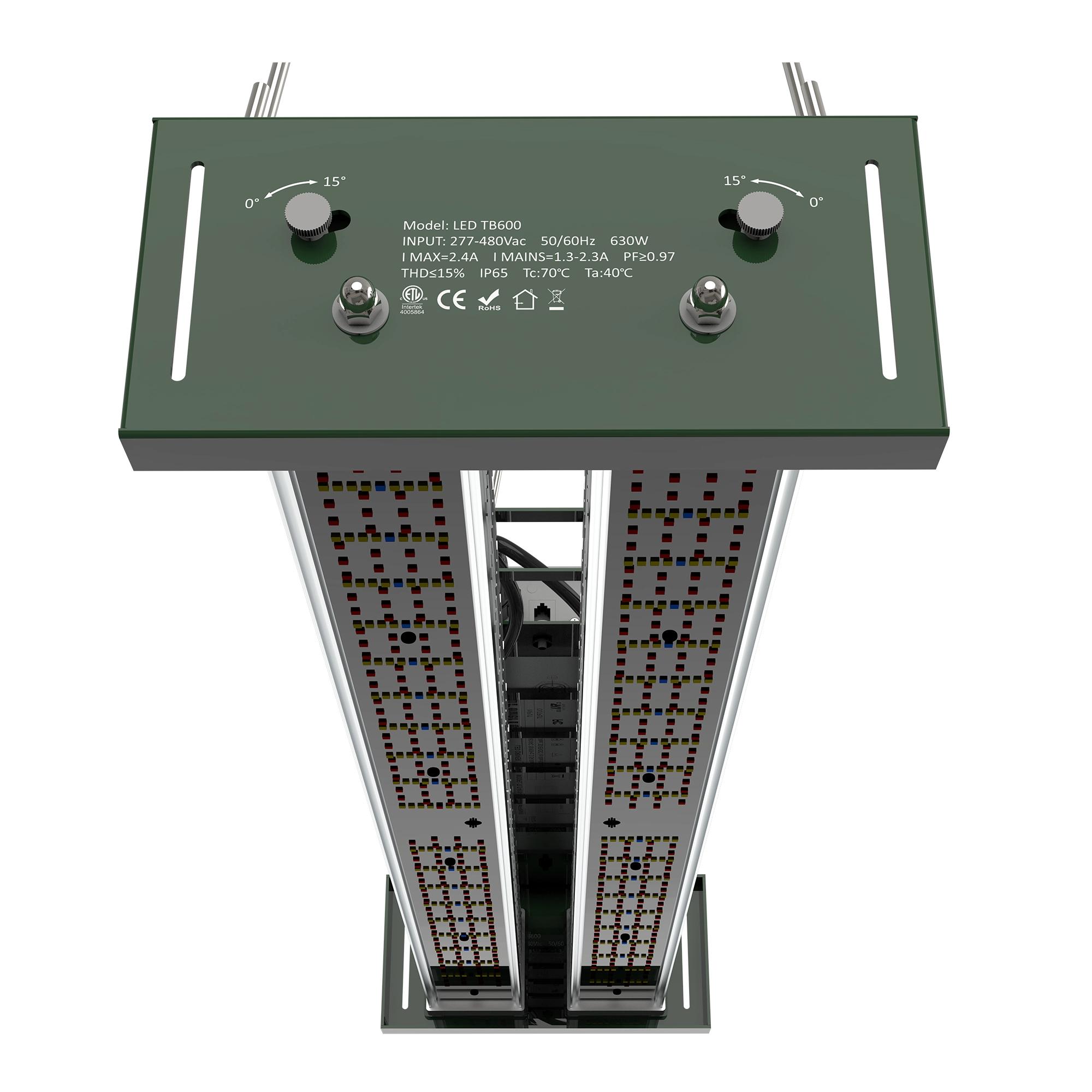
How to Prepare a Private-Label Grow Light Nameplate
A private-label checklist for locking grow light nameplate and carton-label rows using verified model specs, branding options, and evidence boundaries.
A private-label grow light nameplate is not just artwork. It is the row where brand name, model number, electrical rating, fixture output, certification language, carton label, and order documents have to describe the same product. Before approving a sample or carton proof, a buyer should separate verified fixture facts from branding choices and claims that need separate evidence.
1. Start with the exact base model
Put the Sanity product ID, Number model name, private-label model name, and artwork revision into the approval sheet. For example, the current LED TB600 greenhouse toplight and LED JT720F indoor fixture are different product records with different electrical and warranty rows, so they should not share a generic label template without a model-specific review.
2. Lock the electrical and optical rows separately
Current Sanity data lists the TB600 as 600 W, 2100 micromoles per second PPF, 3.5 micromoles per joule efficacy, AC 200-480 V input voltage, 0-10 V dimming, passive thermal management, -20 C to 35 C operating temperature, 7.0 kg weight, and five-year standard warranty. It lists the JT720F as 720 W, 1950 micromoles per second PPF, 2.7 micromoles per joule efficacy, AC 220-240 V input voltage, knob and 0-10 V dimming, passive cooling, -20 C to 35 C operating temperature, 6.6 kg weight, and one-year standard warranty. Treat those as product specification rows only; they do not prove crop yield, energy savings, import approval, or utility eligibility.
3. Match branding options to the product record
Logo and color can look like simple artwork decisions, but they still need a controlled sample row. Current Sanity data lists logo and color among the customizable options for both TB600 and JT720F. The TB600 record also lists spectrum, power, size, cable length, dimming, and mounting. The JT720F record lists spectrum, logo, and color. If the carton label depends on a changed cable, bracket, spectrum, or housing color, name that option in the private-label approval sheet and ask which document proves the final configuration.
4. Keep certification language out of artwork until evidence is assigned
Sanity lists DLC, CE, and RoHS fields for TB600 and FCC, CE, and RoHS fields for JT720F. Those fields are useful for an evidence request, but they should not be treated as independent proof that a private-label model, revised nameplate, or new market package is approved. If a buyer needs a certification mark, QPL reference, declaration, safety file, manual, or market-specific label statement, assign the certificate, declaration, test report, listing screenshot, or reviewer note before the artwork is released.
5. Make the carton label traceable to the same approval
The outer carton, SKU label, instruction sheet, and fixture nameplate should use the same private-label model number and revision. The carton can include brand, model, quantity, voltage class, gross-weight fields, destination language, barcode, and importer requirements only after the buyer has named the owner for each row. Do not let a packaging proof become the first place a new claim appears.
6. Use a four-column release table
Before sending the artwork to production, make a table with four columns: label field, approved value, evidence source, and owner. Send that table with the sample request or OEM/ODM project discussion. The minimum useful release pack is the approved product record, artwork proof, carton mark, sample photo, specification sheet, and a list of any claims waiting on third-party evidence.