How to Review a Grow Light Commercial Invoice and Packing List
A shipment-document checklist for matching grow light invoices, packing lists, product rows, carton counts, weights, and evidence owners before release.
A grow light commercial invoice and packing list should be reviewed before shipment release, not after the cartons are already moving. For OEM buyers, distributors, and facility procurement teams, the goal is to make the shipment documents match the approved product rows, carton labels, and evidence files. This checklist is for document control; a customs broker or qualified trade adviser still owns market-specific entry advice.
1. Match every invoice line to a verified model row
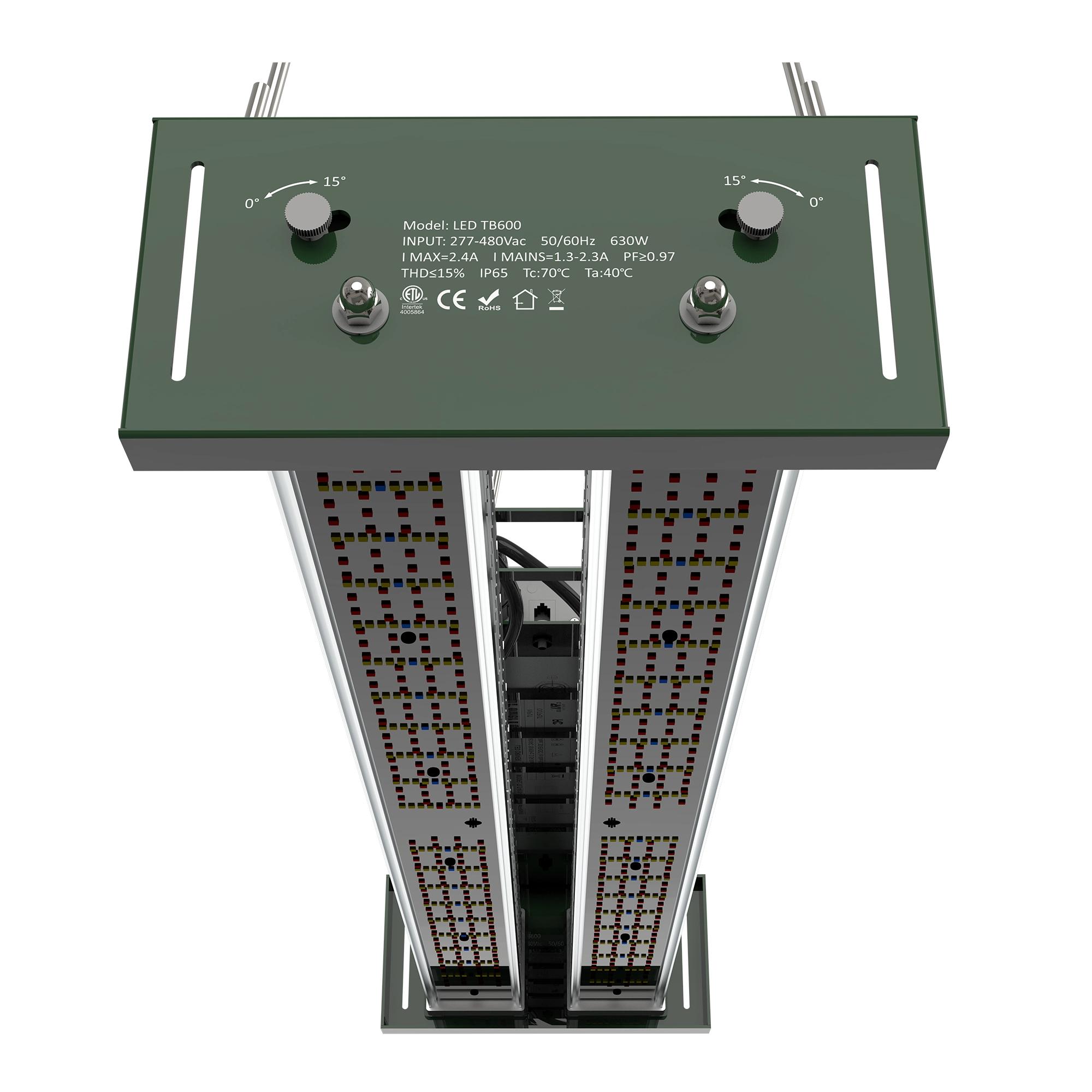
Start with the exact product ID, approved model name, buyer SKU, quantity, and revision. Current Sanity data lists the LED TB600 greenhouse toplight as a 600 W fixture with 2100 umol/s PPF, 3.5 umol/J efficacy, AC 200-480 V input voltage, 0-10 V dimming, 7.0 kg weight, and five-year standard warranty. It lists the LED JT720F indoor fixture as a 720 W fixture with 1950 umol/s PPF, 2.7 umol/J efficacy, AC 220-240 V input voltage, knob and 0-10 V dimming, 6.6 kg weight, and one-year standard warranty. Do not let a shortened invoice description hide which model is shipping.
2. Keep trade fields separate from product claims
The commercial invoice should identify the seller, buyer or consignee, purchase reference, destination details, product description, quantity, value, currency, country-of-origin basis, and delivery terms required for the transaction. eCFR 19 CFR 141.86 is useful U.S. context because it specifies invoice information for imported merchandise and requires enough detail to identify what the goods are. Keep those trade fields factual. A value line, HS-code review, or delivery term should not become a claim about crop yield, energy savings, certificate scope, or customs outcome.
3. Reconcile the packing list to cartons, not only totals
The packing list should show carton number, model, SKU, quantity per carton, total units, net weight, gross weight, carton dimensions, accessory rows, and any mixed-carton condition. 19 CFR 141.86 also treats package detail and weights or measures as invoice-related information for imported merchandise. For a grow light order, that means one line for fixtures is not enough when the shipment also includes controllers, cables, hanging kits, manuals, spare parts, or private-label labels.
4. Block shipment when document rows disagree
Use a simple mismatch table before release: invoice description, packing-list description, carton label, nameplate, manual, datasheet, and approved product record. Common hold points include a buyer SKU mapped to the wrong Number model, a voltage row copied from another fixture, a warranty term that does not match the product record, a carton count that does not match the packing list, or a certification mark appearing on paperwork without an assigned evidence owner.
5. Close with a release owner
Before an OEM or ODM grow light shipment discussion, assign one owner for commercial data, one owner for product specification rows, and one owner for carton-level packing evidence. Release should happen only when each open row is approved, blocked with a named missing asset, or marked not applicable. That keeps shipment paperwork traceable without overstating what the documents prove.