How to Review a Grow Light Datasheet Before PO Release
A procurement checklist for checking grow-light datasheet revisions, verified spec rows, control fields, and evidence owners before PO release.
A grow-light datasheet should not be treated as sales decoration. For commercial greenhouse, indoor-room, distributor, and OEM orders, it is the file that turns a quote into a reviewable technical commitment. Before a purchase order is released, buyers should check that the datasheet revision, product row, optical data, electrical data, controls, environmental limits, and evidence owner all point to the same configuration.
1. Freeze the product row before reading the PDF
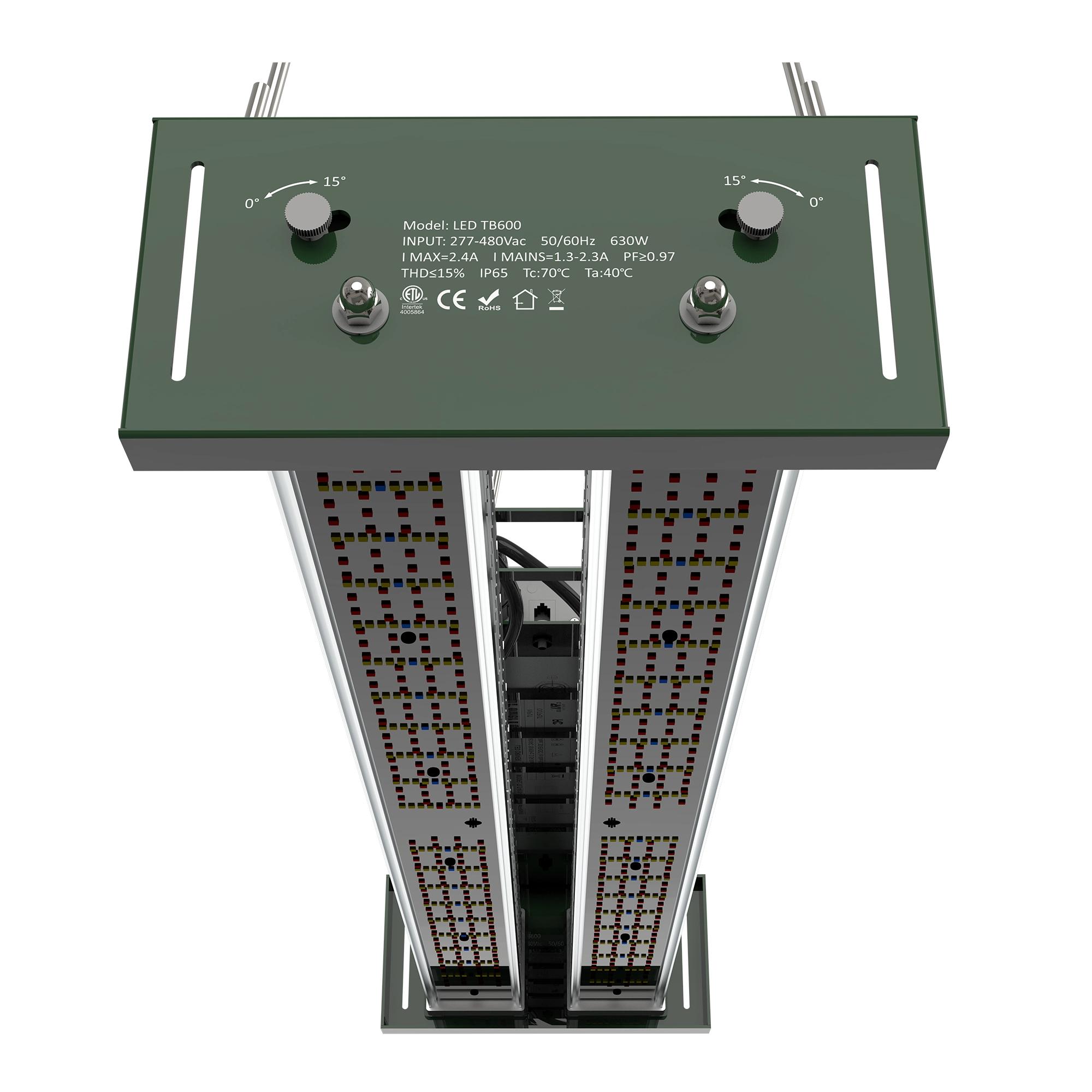
Start with the current website record and the exact product ID. The current Number TB600 greenhouse toplight record lists 600 W power, 2100 umol/s PPF, 3.5 umol/J efficacy, 150 degree beam angle, AC 200-480 V input, power factor >=0.97, 0-10 V dimming, 7.0 kg weight, and a 5-year standard warranty. The current Number DT830 indoor LED grow light record lists 830 W power, 2330 umol/s PPF, 2.8 umol/J efficacy, 0-10 V dimming, 13.5 kg weight, and a 5-year standard warranty. Use those rows as examples of model-specific evidence, not as interchangeable family claims.
2. Check revision control, not only the model name
A release-ready datasheet should show the model name, file title, revision or issue date where available, voltage version, optical configuration, control option, mounting assumption, and any order-specific exceptions. If a quote says TB600 but the attachment, label artwork, carton row, or installation note uses a different family name, pause the PO until the supplier identifies which document controls production.
3. Separate optical rows from layout promises
PPF, PPE or efficacy, beam angle, spectrum wording, and PPFD maps answer different questions. PPF describes fixture output; PPE or efficacy describes output per unit of electrical input; beam angle and layout files affect how photons are distributed at the canopy. Do not convert a datasheet PPF row into a yield, harvest, or savings promise unless a separate verified trial or calculation is supplied for that crop, room, mounting height, and operating schedule.
4. Verify the electrical and control fields together
A datasheet review should pair input voltage, power tolerance, power factor where listed, dimming method, controller compatibility, cable/connector assumptions, and installation instructions. DLC horticultural technical requirements are useful context because they treat PPE, intended use, controllability, and surveillance testing as formal reporting topics. That does not prove a specific private-label configuration; it only shows why buyers should request traceable data instead of relying on a marketing summary.
5. Treat certifications and labels as scope questions
If the order depends on CE, RoHS, DLC, FCC, ETL, UL, or another mark, ask for the model-specific certificate, report, listing page, declaration, or label file that matches the exact configuration. A certification value in a product record is a starting point for document collection, not permission to print every mark on every private-label nameplate or carton.
6. Build the PO release table
Use one row per decision: model, wattage, PPF, efficacy, input voltage, dimming method, operating temperature, IP or protection rating where listed, weight, warranty term, datasheet filename, drawing filename, label file, sample version, owner, and approval date. Mark any missing row as open instead of filling it with a similar product value.
7. Escalate OEM differences before the deposit
OEM changes such as spectrum, size, logo, color, cable length, dimming, or mounting can affect the evidence pack. Before deposit or mass-production release, send the frozen datasheet row, drawing row, label row, and packaging row through a controlled OEM/ODM project review so engineering and sales are working from the same version.
PO release checklist
Release the PO only when the buyer can answer yes to these checks: the current product row matches the quote; the datasheet filename and revision are recorded; optical rows are not being used as crop-result promises; electrical and control rows match the installation plan; certification documents match the exact configuration; OEM exceptions have named owners; and the final file set is attached to the approval record.