How to Specify Modular LED Grow Light Bar Counts
A commercial checklist for choosing modular LED grow light bar counts using verified DT830 and JT720F specs, controls, weight, and evidence limits.
A modular LED grow light can look simple on a quote: pick a wattage, pick a bar count, approve the sample. For a commercial indoor room, that is not enough. Bar count affects fixture footprint, handling, weight, dimming groups, spare-part planning, carton identity, and which performance row can be used in the purchase file. The right question is not whether six, eight, or ten bars sounds better; it is which configuration has verified specifications and fits the room evidence package.
1. Treat bar count as a configuration row, not a performance claim
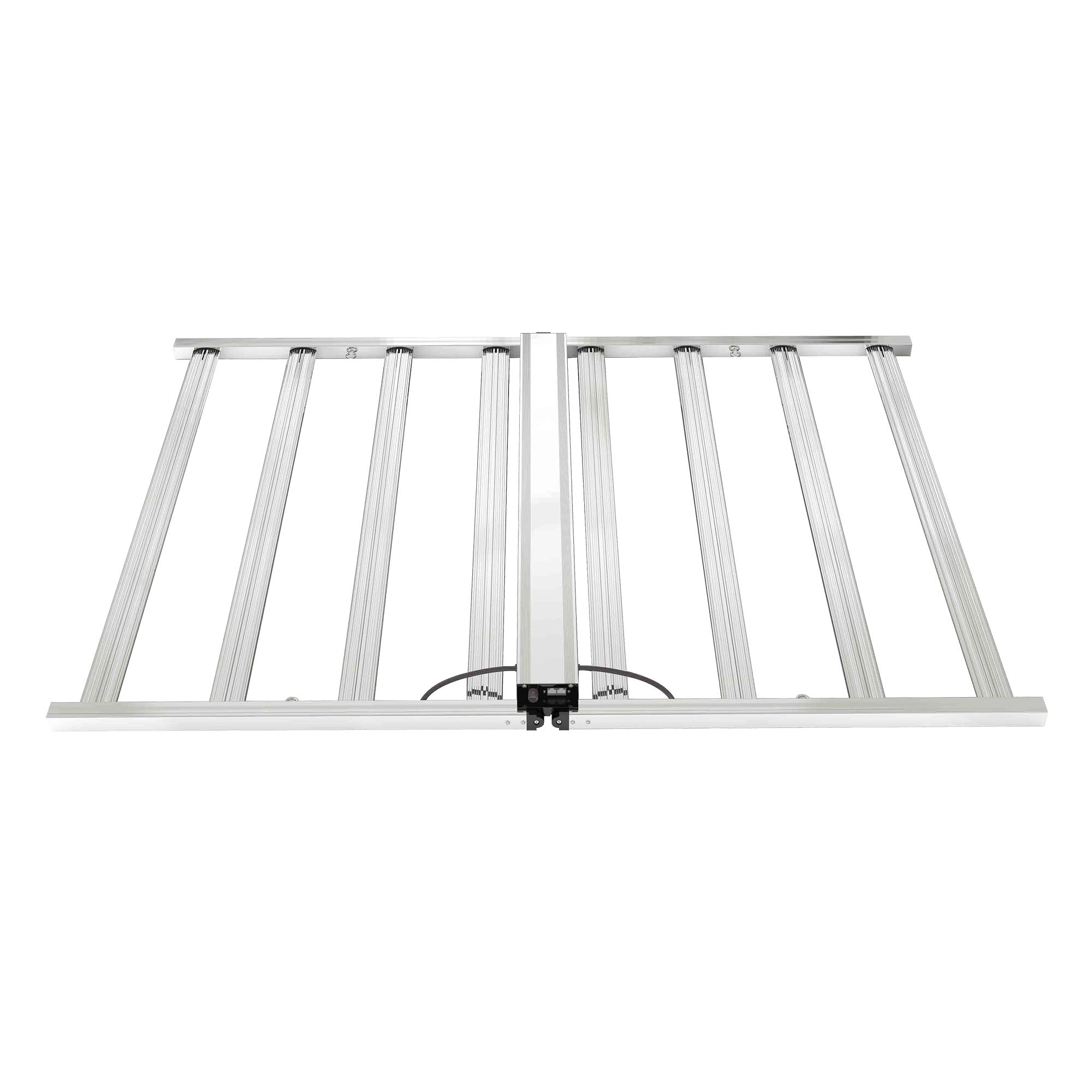
Start the approval sheet with one base product record and one requested configuration. Current Sanity data lists the LED DT830 indoor grow light as an 830 W fixture with 2330 micromoles per second PPF, 2.8 micromoles per joule efficacy, 0-10 V dimming, passive thermal management, -20 C to 35 C operating temperature, 13.5 kg weight, and five-year standard warranty. Its current features include modular 6-bar, 8-bar, and 10-bar availability. Use those rows as the verified starting point; do not convert a bar-count option into an unverified yield, coverage, or utility-savings claim.
2. Compare fixture footprint and service access before output
A higher bar count may spread emitters across a wider frame, but the buyer still needs a drawing, hanging points, aisle clearance, driver position, and service access before approving the order. Put frame width, bar spacing, folded or assembled shipping condition, hanging hardware, and driver location into the same row as power and PPF. If the quote only says “8-bar” or “10-bar,” ask for the mechanical drawing and the exact product record that the drawing belongs to.
3. Keep an 8-bar foldable fixture separate from a modular bar-count family
A foldable 8-bar fixture is not automatically the same decision as a modular 6/8/10-bar platform. Current Sanity data lists the LED JT720F as 720 W with 1950 micromoles per second PPF, 2.7 micromoles per joule efficacy, AC 220-240 V input voltage, knob and 0-10 V dimming, passive cooling, -20 C to 35 C operating temperature, 6.6 kg weight, and one-year standard warranty. It also lists a foldable design and full-metal 8-bar positioning. That makes it useful for a different approval row: handling, storage, sample fit, and room-level controls, not just bar count.
4. Ask for the control map that matches the final bar layout
For DT830, the verified product rows include 0-10 V dimming and daisy-connection. For JT720F, the verified rows include knob and 0-10 V dimming. Before sample approval, the buyer should name the dimming method, controller interface, connector type, zone grouping, and whether all bars dim together or any channel split is requested. If a requested spectrum or channel change modifies the driver, connector, or wiring harness, it should be treated as a new approval item.
5. Build the quote table from verified rows
A practical quote table should include product ID, model name, requested bar count or foldable frame, power, PPF, efficacy, input voltage where present, dimming method, operating temperature, thermal management, fixture weight, warranty row, customization options, image or drawing revision, and evidence owner. The DT830 record currently lists customization for power, size, logo, color, and cable length. The JT720F record lists spectrum, logo, and color. Keep any unlisted option as a request, not an approved specification.
6. Use external requirements as context, not as a shortcut
Current DesignLights Consortium horticultural technical-requirements pages describe performance reporting, controllability, and intended-use context for horticultural lighting. That is useful for deciding which documents a buyer should request, but it does not prove a specific Number configuration is listed, tested, or eligible for an incentive. For a modular bar-count order, the evidence packet should still come back to the exact model, exact configuration, and current Number product data or project-specific documentation.
7. Decide what must be proven before sample release
Before approving a modular multi-bar sample, ask Number to confirm the base product record, requested bar count, mechanical drawing, dimming interface, cable length, packaging identity, and any private-label or color requirements. If the order changes bar count, cable routing, housing color, logo, or spectrum, record the change in the OEM/ODM project discussion rather than relying on a generic fixture name. The smallest useful evidence asset is a one-page configuration approval sheet that ties the quote, drawing, sample, and product record together.