The Science of Spectrum: Optimizing Plant Growth with Advanced LED Technology
1. The Power of Full Spectrum: Mimicking Nature
In the realm of indoor cultivation, understanding how different light colors influence plant physiology is the cornerstone of success. Just as the sun provides a complete visible spectrum, modern LED technology is engineered to replicate this natural balance. While specific wavelengths like Red and Blue are primary drivers of growth, a truly effective lighting solution incorporates a full spectrum to ensure plants remain healthy, leafy, and resilient throughout every stage of their life cycle.
2. How Wavelengths Dictate Plant Development
Plants do not just "see" light; they harvest specific wavelengths to transform them into chemical energy. Each color serves a distinct biological purpose:
- Blue (450nm – 495nm): The Growth Catalyst. Blue light is the primary enhancer of photosynthesis, significantly accelerating vegetative growth and structural strength.
- Red (620nm – 720nm): The Bloom Architect. When combined with blue light, red wavelengths are essential for leaf production and triggering the flowering and fruiting processes.
- Violet/Purple (380nm – 450nm): The Quality Enhancer. These high-energy wavelengths act as "boosters" that improve the taste, aroma, and pigmentation of the plant.
- Green & Yellow: While reflected more than absorbed (giving plants their green color), these wavelengths help penetrate the canopy to provide energy to lower leaves that primary colors cannot reach.
3. Reading the Signs: Is Your Plant Getting Enough Light?
Plants communicate their health directly through their physical appearance. Recognizing these visual cues allows for precise adjustments to your lighting environment:
- Light Deficiency: Symptoms include stunted growth, small leaves, yellow spots (due to low chlorophyll), and "stretching"—where plants grow thin and tilted as they desperately seek a light source.
- Light Excess: Overexposure can lead to white scorched spots, wrinkled textures, and stunted, compact leaf clusters.
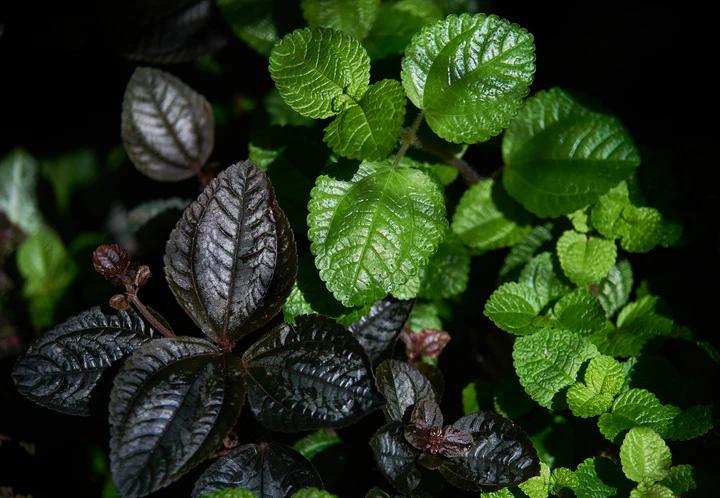
- The Sweet Spot: A healthy plant features robust stems, deep green foliage, and consistent spacing between leaves, indicating optimal photosynthetic efficiency.
4. Why LED Technology is the Superior Choice
Modern LED (Light Emitting Diode) systems have revolutionized indoor farming by offering precision that traditional bulbs cannot match.
- Customizable Spectrums: LEDs allow growers to program specific color ratios tailored to different growth periods (e.g., more blue for seedlings, more red for flowering).
- Heat Management: By minimizing excess heat radiation, LEDs allow for closer placement to the canopy without the risk of burning, ensuring maximum light intensity.
- Sustainability: High-efficiency LEDs reduce the need for chemical fertilizers or growth proteins, resulting in an eco-friendly crop that matures faster and more naturally.