How to Specify Sunrise/Sunset Ramps for 0-10V Grow Light Control
A controller approval checklist for specifying sunrise and sunset ramp windows, zone ownership, and 0-10V control evidence before grow-light rollout.
A sunrise or sunset ramp should not be approved as a vague comfort feature. For a commercial grow room, it is part of the lighting schedule, DLI estimate, controller channel map, and commissioning evidence. The buyer should define the ramp window before ordering controllers, especially when 0-10V fixtures, multi-zone rooms, or private-label documentation are involved.
1. Write the ramp as a schedule row
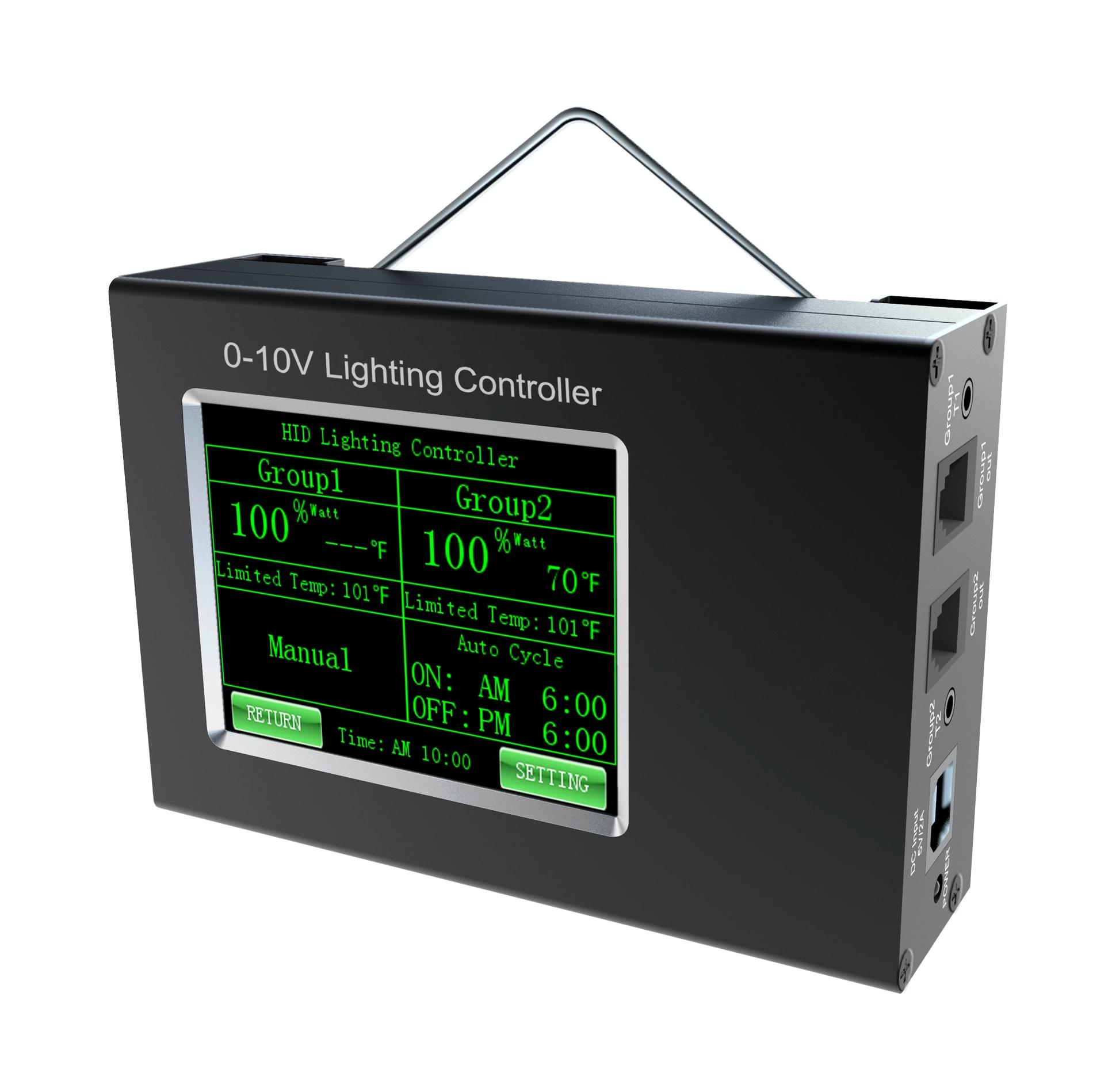
The current Number SLC Controller product record describes two independent lighting zones, a 24-hour clock, and programmable 10-60 minute sunrise/sunset ramps. Put those values into the order sheet as start time, ramp duration, target output after ramp, sunset start time, and output after sunset. If the crop recipe changes by room or phase, keep each phase as a separate approval row.
2. Keep ramp time separate from full-output hours
Virginia Cooperative Extension explains DLI as accumulated photosynthetic light over the day, calculated from PPFD and the time light is delivered. A 30-minute ramp is not the same as 30 minutes at full fixture output. Ask the project team to show whether ramp periods are excluded from the DLI estimate, counted with an average output assumption, or measured during commissioning. That protects the buyer from approving a schedule that looks complete but does not match the crop-level light plan.
3. Map each ramp to a physical output
For multi-channel projects, the schedule must identify the control hardware, not only the room name. The current LuxMind 5CH Controller record lists 12 V input, IP54 rating, two 0-10V output groups, RJ11/RJ45 control output language, optional temperature-sensor support, and up to 80 dimmable 0-10V lights per channel in the product text. The approval sheet should map zone, channel, connector, fixture group, sensor requirement, and maximum connected fixtures before shipment.
4. Require control-method evidence, not just a dimming claim
DesignLights Consortium Hort V3.0 treats dimming and control-method details as reportable product information, including the dimming method and connector or transmission hardware where applicable. Use that as a documentation habit even when a project is not a DLC submittal: keep the controller data, fixture dimming input, wiring diagram, channel schedule, and control-zone plan together in the same evidence pack.
5. Define commissioning acceptance before rollout
A practical acceptance row should include controller model, firmware or menu version if supplied, zone name, fixtures on the channel, ramp start and end times, target output after each ramp, over-temperature setting if used, sensor connection if used, and the person responsible for checking the first installed room. Do not approve shipment based on a generic ramp feature when the room schedule, wiring, and acceptance method are still open.
6. Keep evidence limits visible in the quote
Number's current Sanity records list FCC, CE, and RoHS fields for both the SLC and LuxMind 5CH controller rows. Treat those as product-record fields until the project evidence pack includes the exact certificate or declaration scope required for the destination market. The ramp schedule itself does not prove crop output, lower power cost, plant stress response, incentive access, or compliance approval.
Next action: send Number the room schedule, fixture list, desired ramp windows, channel map, and required destination-market evidence so the controller row can be checked before samples or shipment approval.